A sunroom attached to your house in Tontitown, AR, adds year-round living space without the footprint or cost of a full addition, but only if you get three decisions right: placement, type, and permitting. This guide breaks down all three using Northwest Arkansas climate data and the actual Tontitown permit process, not generic national advice. By the end, you'll know what to ask a contractor before you sign anything.
What Is a Sunroom Attached to a House?
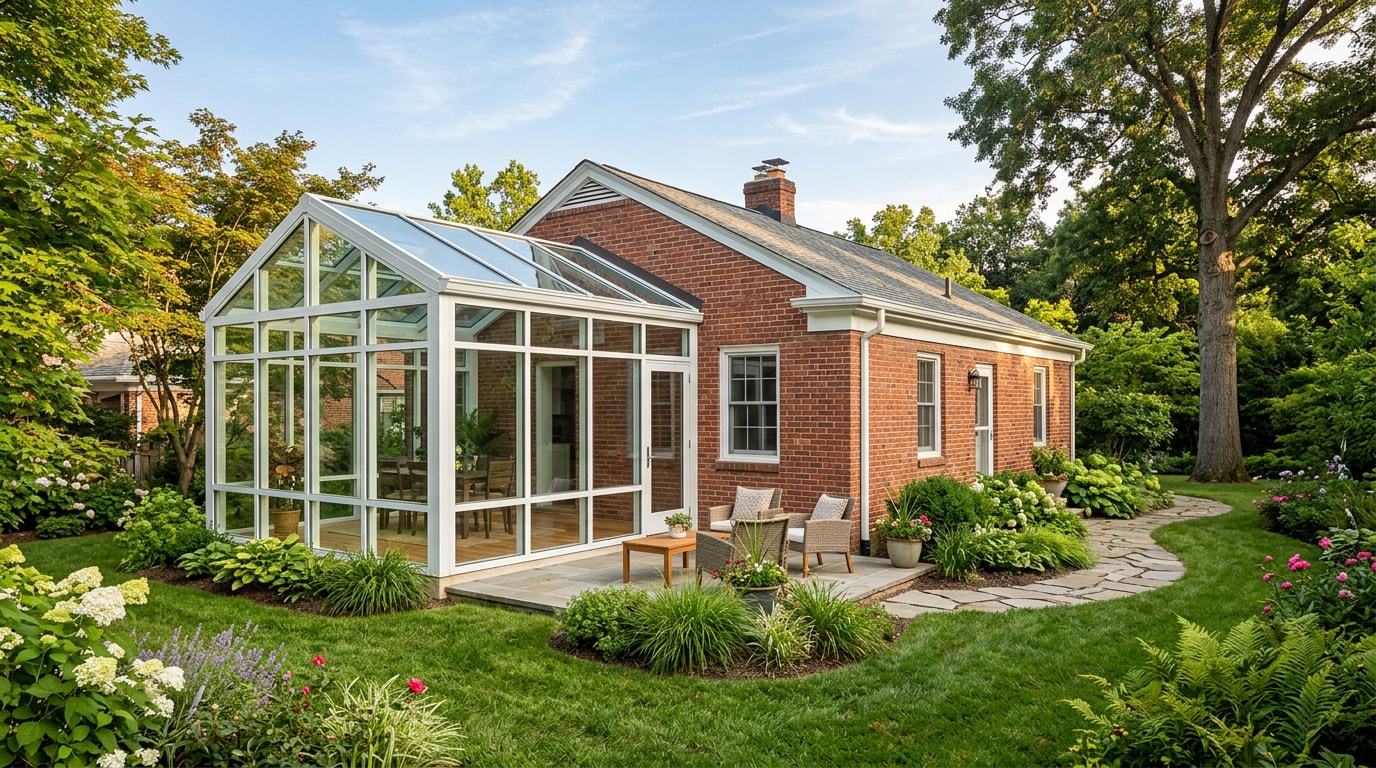
A sunroom attached to a house is a glass-enclosed living space that connects directly to the existing structure, sharing a wall or roofline rather than standing alone in the yard. That's different from a freestanding sunroom, which has its own foundation and no physical tie to the main house.
Because it ties into the home's structure, an attached sunroom almost always counts as a true room addition for permitting and code purposes, not a simple patio cover. Many building departments and the national sunroom industry define the structure by glazing percentage: a sunroom typically has glazing covering more than 40% of its wall and roof area, a threshold referenced in the AAMA/NSA 2100 sunroom construction standard.
If you're deciding between an attached sunroom and other ways to add space, our home additions team can walk through both options during a site visit.
How Much Does a Sunroom Addition Cost?
Cost is the first question most Tontitown homeowners ask, and it varies more than almost any other home addition because "sunroom" covers several very different builds. Price depends mainly on whether the room is heated and cooled year-round, the foundation type, and the glazing package.
| Sunroom Type | Typical Cost Per Sq. Ft. | Climate Control | Best For |
|---|---|---|---|
| Screen/porch conversion | $60–$150 | None | Bugs and shade only |
| Three-season room | $100–$250 | Minimal/none | Spring through fall use |
| Four-season sunroom | $200–$400 | Full HVAC tie-in | Year-round comfort |
| Conservatory/solarium | $350–$600+ | Full HVAC, premium glazing | Maximum light, resale appeal |
A basic screened porch conversion sits at the low end, while a fully insulated conservatory with a glass roof sits at the high end. Warmer Arkansas summers mean cooling costs for glass-heavy rooms can run higher than in cold-climate markets, which is worth factoring into your long-term budget before you pick a style.
For a project-specific number based on your home's footprint and layout, request a free estimate rather than relying on a national average.
Where Should Your Sunroom Attach to the House?
Orientation affects comfort and energy bills more than most homeowners expect, so where you attach matters almost as much as whether you build one at all. The most common attachment points are the rear of the house through an existing patio door, a side yard with unused space, or an enclosed existing porch.
South-facing sunrooms catch the most direct sun year-round, which sounds appealing but can mean serious heat buildup during Arkansas summers. North-facing rooms stay cooler but get less natural light, especially in winter.
For most Tontitown-area lots, an east-facing placement tends to strike the best balance. Morning sun warms the room gently, while the region's real problem (afternoon heat in July and August) stays more manageable.
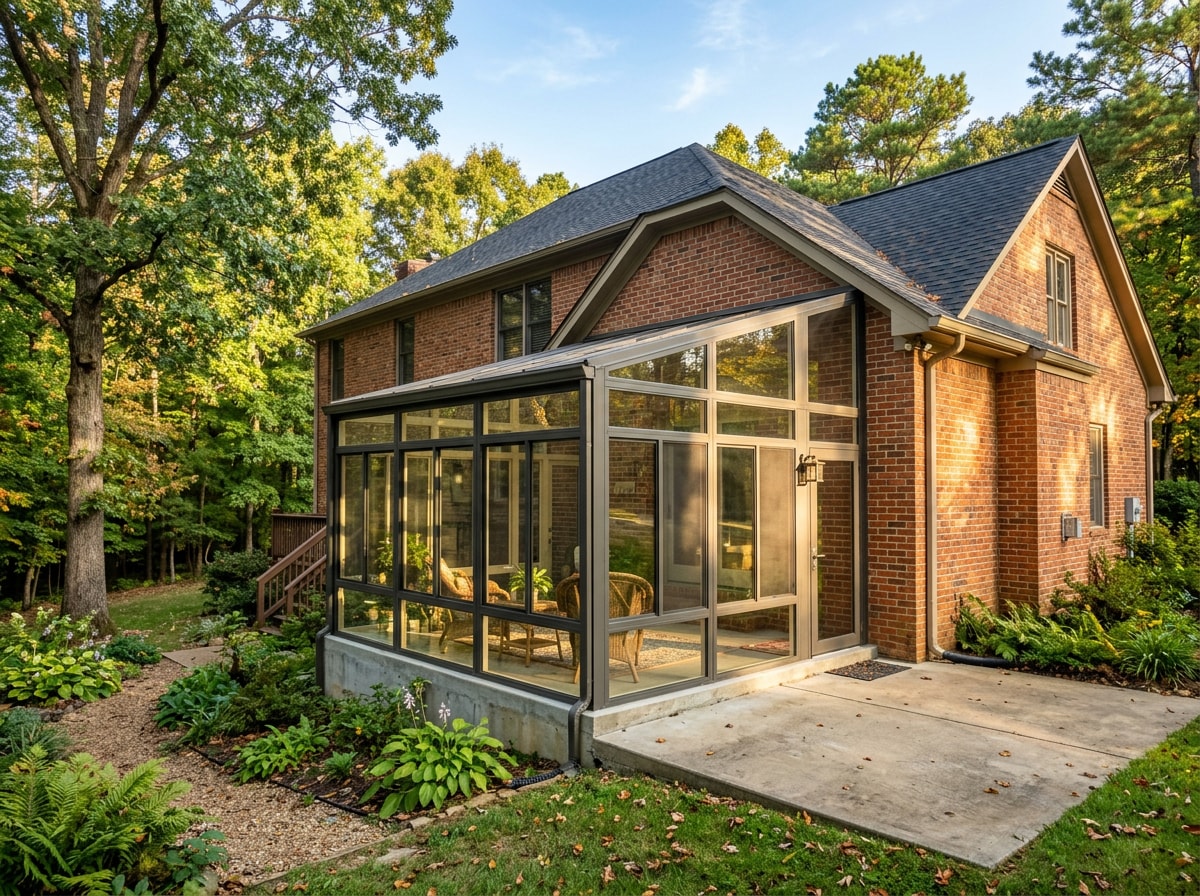
Across the sunroom additions we've built around Tontitown and Springdale, east-facing rooms on a slab foundation consistently generate the fewest comfort complaints once summer hits. Review your home's layout with a general contractor before finalizing placement, especially if your lot has limited side-yard setback.
Types of Sunrooms to Consider
"Sunroom" isn't one product. It covers several distinct structures that differ by season-use and architectural style, and your choice here drives both your budget and how much of the year you'll actually use the space.
Three-season room. Minimal or no insulation and no HVAC connection, so it's comfortable in spring, summer, and fall but not built for winter use.
Four-season sunroom. Adds insulated glass, proper wall insulation, and often ties into your home's heating and cooling system, making it usable year-round.
Conservatory. Maximizes glass on both walls and roof for the most light-filled option available, typically at a premium price.
Given Northwest Arkansas' cold winter snaps and hot summers, a four-season sunroom generally delivers more long-term value for homeowners who want a true year-round room rather than a seasonal add-on. If your existing patio already has a roof overhang, converting it may also qualify as a patio extension rather than a full new-foundation build, which can lower your cost.
Beyond the functional category, you'll also choose a roofline: cathedral (steep, vaulted), curved eave, or straight eave. These architectural choices change the look and the price tag without altering whether the room is three-season or four-season underneath.
Sunroom Materials & Windows
Frame material and glass type together determine how comfortable your sunroom feels and how much upkeep it needs over time.
- Wood frames offer the most design flexibility but demand the most maintenance against moisture and pests.
- Aluminum frames are durable and low-maintenance, making them a popular choice for the region's humidity.
- Vinyl frames cost less but can struggle structurally in heavy wind.
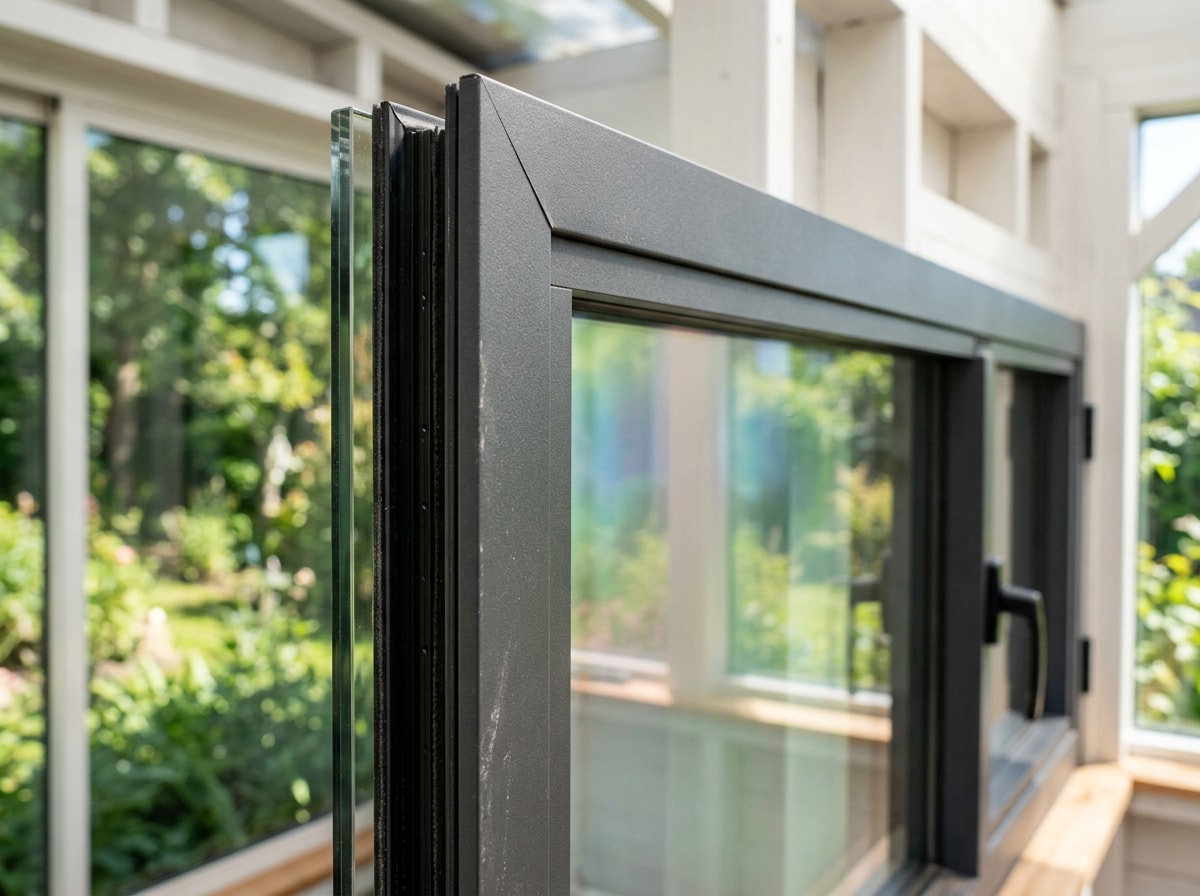
Whichever frame you choose, double-glazed, low-E glass is now the standard recommendation for energy performance. The U.S. Department of Energy notes that <a href="https://www.energy.gov/cmei/femp/purchasing-energy-efficient-residential-windows-doors-and-skylights">windows with low-e coatings are effective at reducing summer heat gain</a> in warm climates like ours, which matters for a glass-heavy room that sits in direct sun most of the day.
Permits and Codes for a Sunroom in Tontitown
Because an attached sunroom involves foundation work, roofing, and structural tie-ins to your existing home, it almost always requires a building permit, not just a quick sign-off. Skipping this step can create problems later with resale appraisals and homeowners insurance claims.
The City of Tontitown Building Department handles these permits directly. You can reach them at 479-361-2700 or by email at the addresses listed on the department's building applications page, and the office is located at 235 E Henri de Tonti Blvd. Typical steps include:
- Submit a site plan and construction drawings showing the sunroom's footprint, foundation type, and distance from property lines.
- Pay the permit application fee, which is assessed after city staff review your plans.
- Schedule inspections at key stages, usually foundation, framing, and a final inspection before the room is considered complete.
Confirm current setback rules and fees directly with the city's building department before finalizing your design, since requirements can change and vary by lot. A construction consultation is also a low-cost way to catch permit issues before you're locked into blueprints.
Who Builds Your Sunroom? Hiring a Local Contractor in Tontitown
Local sunroom contractors understand Arkansas wind and snow load requirements, Tontitown's specific permitting steps, and which glazing packages actually hold up to NWA summers. That local knowledge matters more than it might seem: a contractor used to coastal or northern climates may size glazing and insulation incorrectly for this region.
When vetting a Tontitown sunroom builder, ask directly about:
- Who pulls the permit and manages inspections
- Whether they carry Arkansas contractor licensing and insurance
- What foundation type they recommend for your specific lot
- Financing options if you're not paying cash upfront
Browse our recent projects to see completed additions across the region, or visit Covey Constructions to learn more about how we approach room additions. We also serve nearby Springdale, Rogers, and Cave Springs homeowners planning similar projects, and our Rogers sunroom guide covers cost and permit specifics for that market if you're comparing nearby options.
Ready to move forward? Get a free estimate and we'll walk your property, confirm placement, and give you a project-specific number.
FAQ
Does a sunroom addition add value to my home?
Yes, in most cases, though the return depends on the build quality and whether it's four-season. A fully insulated sunroom tied into HVAC typically adds more resale value than an unheated three-season room because appraisers can count it as finished living space.
How long does it take to build a sunroom addition?
Most attached sunroom projects take 4 to 10 weeks from permit approval to final inspection, depending on foundation type, size, and whether HVAC and electrical work are involved.
Will a glass sunroom be too hot to enjoy in summer?
Not with the right glass package. Low-E coatings and solar control glass block most heat-generating rays, keeping the room comfortable even during Arkansas's hottest months.
Can I have a solid roof instead of all glass?
Yes. Solid roof sunroom options exist, and many include skylights for added natural light without the full heat gain of an all-glass ceiling.
Does a sunroom need a permit in Tontitown?
Almost always, yes. Because an attached sunroom involves foundation, roofing, and structural tie-ins to your existing home, the Tontitown Building Department requires a building permit before work starts. Confirm specifics for your lot before you finalize plans.
Do you offer financing?
Most sunroom builders, including local NWA contractors, partner with lenders to offer financing and can walk you through the application. Ask about current options when you request your estimate.