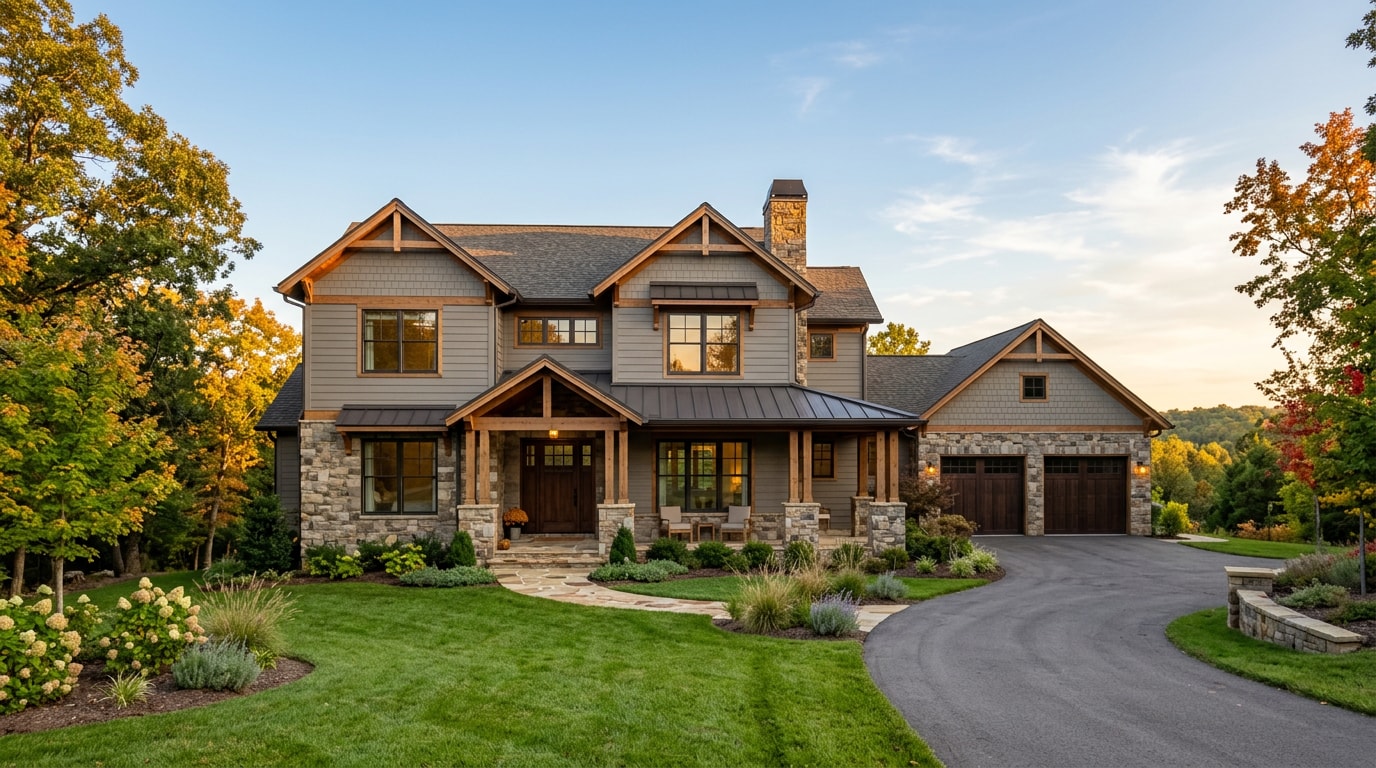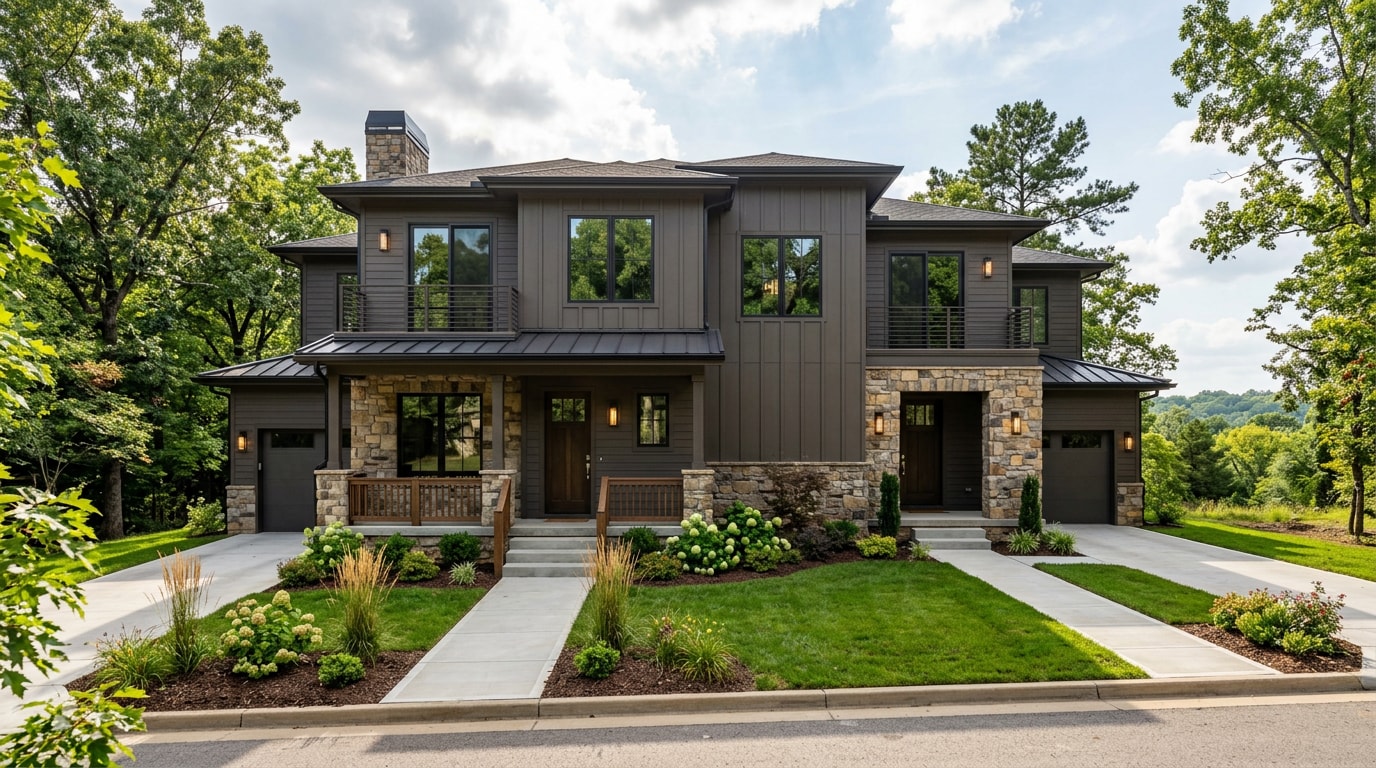
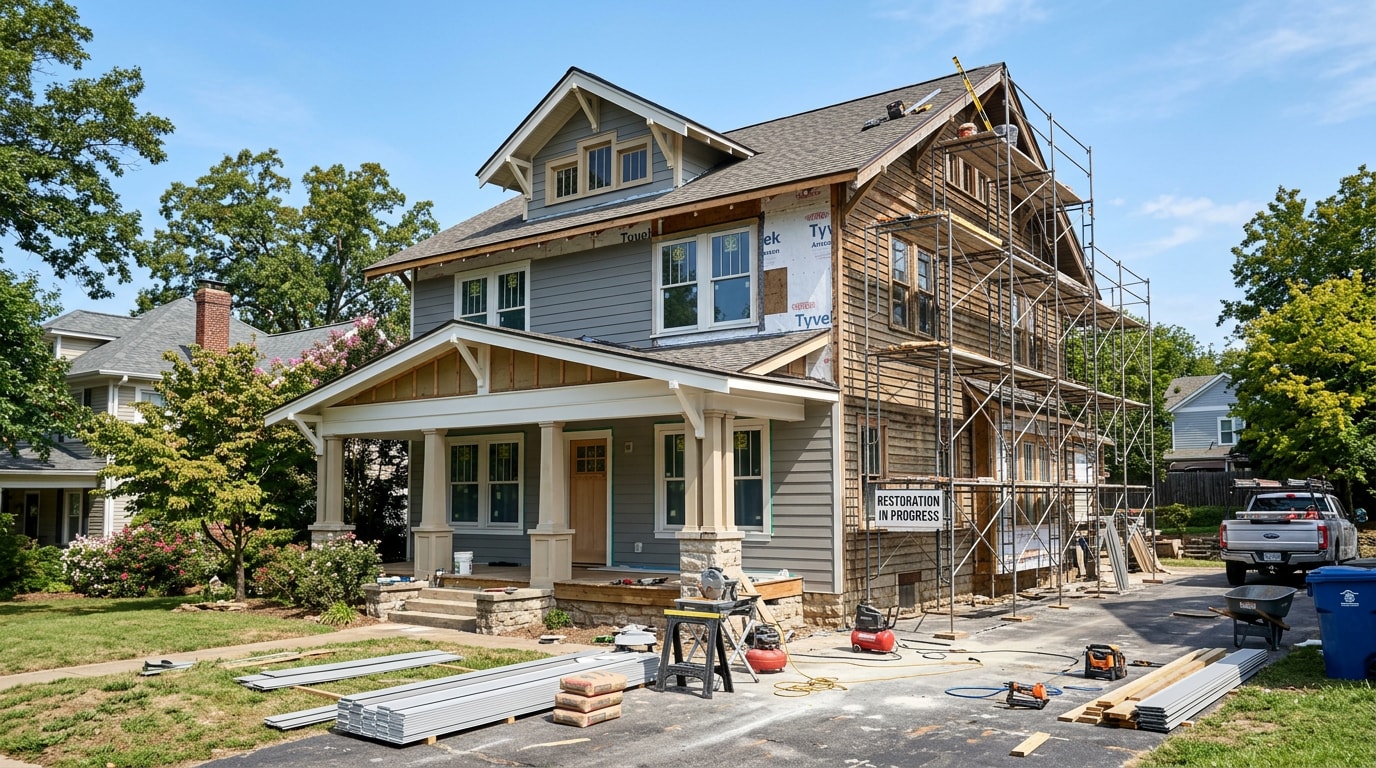
Hiring the wrong remodeling house contractors in Fayetteville, AR can cost you thousands in rework, missed permits, and a stalled project. The right one turns a stressful renovation into a smooth, code-compliant upgrade to your home. Here's exactly how to tell the difference before you sign anything.
What Does a Remodeling Contractor Actually Do in Fayetteville, AR?
A general contractor manages every piece of your renovation: scheduling subcontractors, ordering materials, pulling permits, and confirming each phase meets code. Subcontractors handle the hands-on trade work, but the general contractor gives you one point of contact and one party accountable for the finished result. That coordination is where a remodeling contractor earns their fee, and it's the main reason homeowners don't manage multi-trade projects alone.
Our crews have walked through this same conversation with homeowners across Fayetteville's historic core and its newer subdivisions, and the pattern holds every time: the projects that stay on budget are the ones where one licensed party owns the whole scope, not three separate trades reporting to the homeowner directly. Browse our current and past projects to see how that coordination plays out on real jobs.
Why Hire a Licensed Pro Instead of Going DIY?
DIY can save money right up until a miscalculation turns into an expensive repair. A professional contractor catches those problems before they become change orders.
Larger projects, like a full home remodel, a home addition, or a new bathroom, call for a licensed contractor because they involve permits, heavy equipment, or several trades working in sequence. Small cosmetic updates can be DIY-friendly, but anything touching electrical, plumbing, or structural work should always go to a pro.
Here's a detail most homeowners never check: in Fayetteville, the city does not actually require the general remodeling contractor running your job to hold a license. There is no regulation on being licensed to be in charge of a remodel, but the subcontractors for the electrical, plumbing, gas, and HVAC work must be licensed and obtain the proper permits. That makes vetting the individual trades on your crew just as important as vetting the general contractor.
How to Vet Remodeling Contractors in Fayetteville, AR Before You Sign
Vetting a contractor before signing anything protects your budget and your home. Run through this checklist with every bid you collect:
- Verify the license. Confirm the contractor (and every licensed sub on the job) is in good standing before work begins. Check status directly through the Arkansas Contractors Licensing Board rather than taking a verbal claim at face value.
- Confirm insurance. Ask for current general liability and workers' compensation certificates. A contractor who hesitates here is a red flag, not an oversight.
- Check for a local presence. A real local address, phone number, and an established history in Fayetteville, AR suggest the contractor will still be around for warranty work later.
- Read recent, local reviews. "Recent" means the last 12 to 24 months. "Local" means Fayetteville or NWA clients, not a national average. Watch for sudden review bursts or glowing testimonials with no project photos attached.
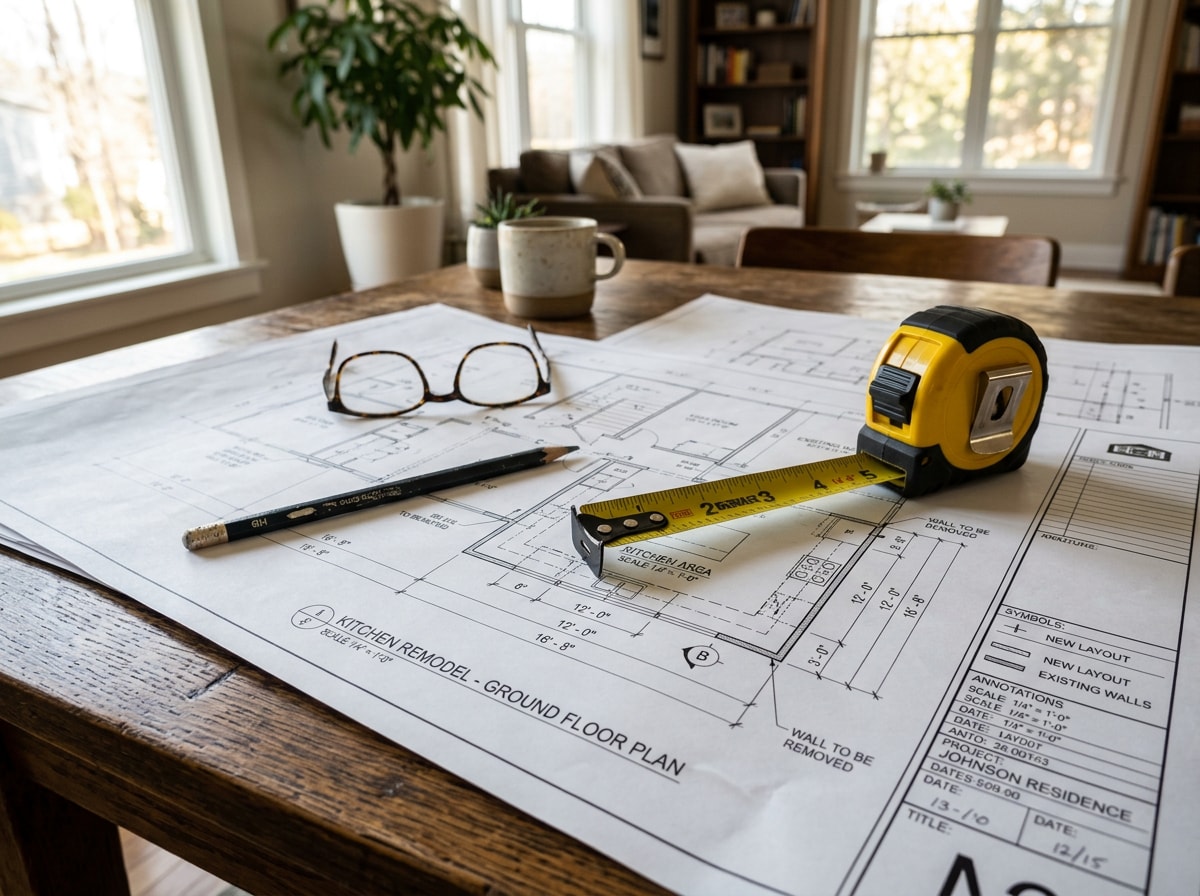
- Get a written scope and payment schedule. Every reputable job starts with a written scope covering materials, timeline, a change-order process, and payment milestones. Avoid any contractor who demands full payment upfront or won't put details in writing.
If your project involves complex phasing or multiple inspections, it's worth understanding who oversees day-to-day compliance on larger jobs; our guide to the clerk of the works role in Fayetteville, AR breaks down when that extra layer of oversight makes sense.
Once your shortlist checks out on paper, request a free estimate from each contractor so you're comparing identical scopes side by side, not just bottom-line numbers.
What Does a Remodel Cost in Fayetteville, AR in 2026?
Remodeling costs swing based on square footage, material choices, and how much the scope changes mid-project. Nationally, remodeling demand has stayed resilient even as costs rise: NAHB's Remodeling Market Index, which measures confidence in the sector, has remained above 60 for the past year , and as of the second quarter of 2026, input costs for remodelers rose 6.6% on a year-over-year basis . Translation: material costs are climbing, so locking in a detailed, written bid matters more than ever.
| Project Type | Typical Duration | Key Cost Drivers |
|---|---|---|
| Bathroom remodel | 2 to 3 weeks | Fixture quality, waterproofing, layout changes |
| Kitchen remodel | 4 to 8 weeks | Cabinetry, countertops, appliance relocation |
| Home addition | Several months | Foundation work, permits, new systems tie-ins |
| Whole-home renovation | Several months | Scope size, structural changes, permit sequencing |
Compare at least two or three itemized bids on the identical scope before you decide. Our general contractor services page outlines what should be included in a complete bid for comparison.
What to Check Once Your Remodel Is Finished
Before final payment, walk the finished space with your contractor and build a punch list of any lingering touch-ups.
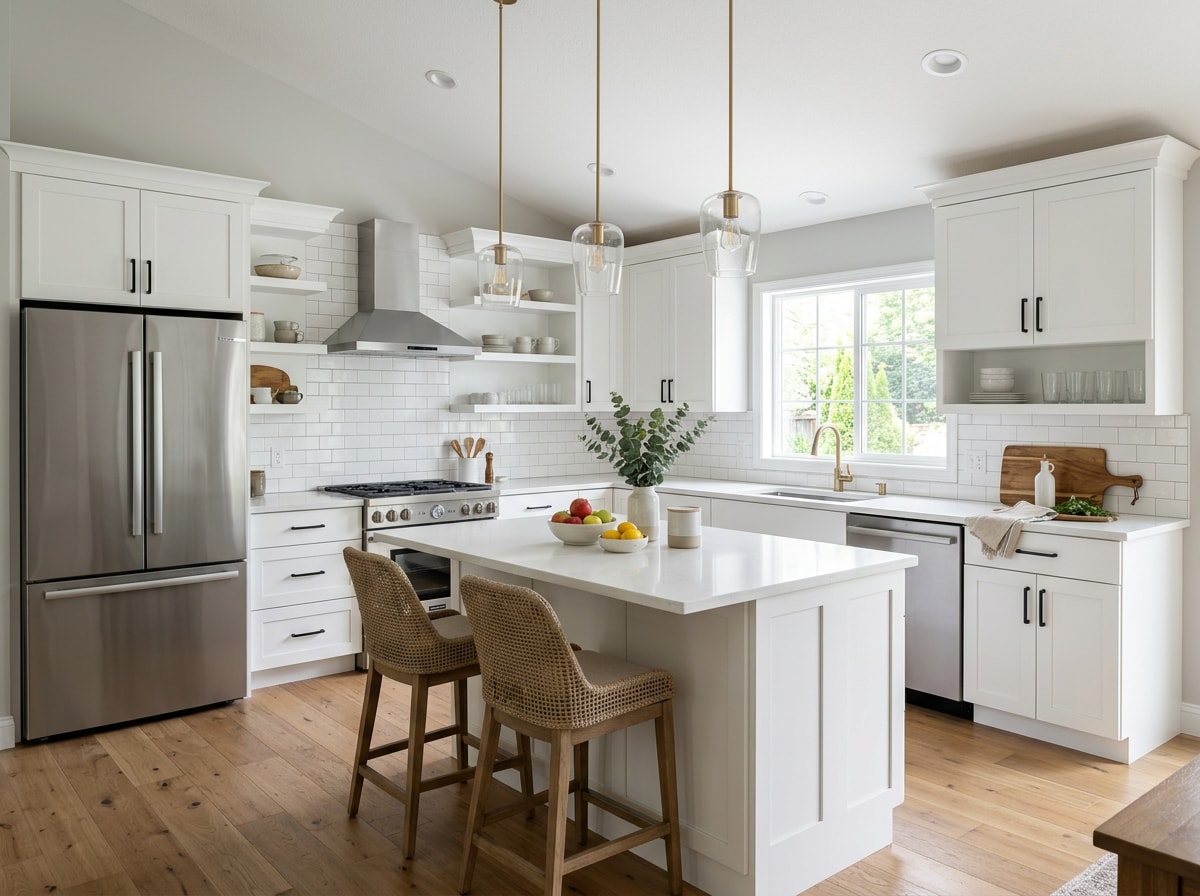
Confirm cleanup is complete, test every fixture and appliance that was installed, and get warranty documentation in writing before the last check clears. If your project included a kitchen countertop installation or new cabinet installation, check seams, levelness, and hardware alignment specifically, since those are the details that show up months later if rushed.
Ready to start your own project? Visit Covey Constructions to see our full range of remodeling services, or request a free estimate once your contractor shortlist checks out.
Frequently Asked Questions
How Much Deposit Should a Remodeling Contractor Ask For?
A modest deposit is standard practice. Be cautious of any contract that asks for full payment before work even begins.
How Long Does a Home Remodel Take?
Timelines vary by scope. A bathroom remodel often takes two to three weeks, a kitchen remodel four to eight weeks, and a whole-home renovation several months depending on permits and material availability.
Do I Need a Permit to Remodel My House in Arkansas?
Most structural, electrical, and plumbing changes require a permit. Cosmetic work like painting or adding hardwood floors and tile typically does not require a permit. Check the City of Fayetteville's building safety FAQ for specifics, and let your licensed contractor manage the application.
Does the General Contractor on My Remodel Need to Be Licensed?
Not necessarily in Fayetteville. There is no regulation requiring a license to be in charge of a remodel, but the subcontractors for electrical, plumbing, gas, and HVAC work must be licensed and obtain the proper permits. That's why checking each sub's credentials matters as much as checking the GC's.
How Many Bids Should I Collect Before Hiring?
Two to three itemized bids on the identical scope is the practical minimum. It gives you enough data to spot an outlier price without dragging the decision out for months.