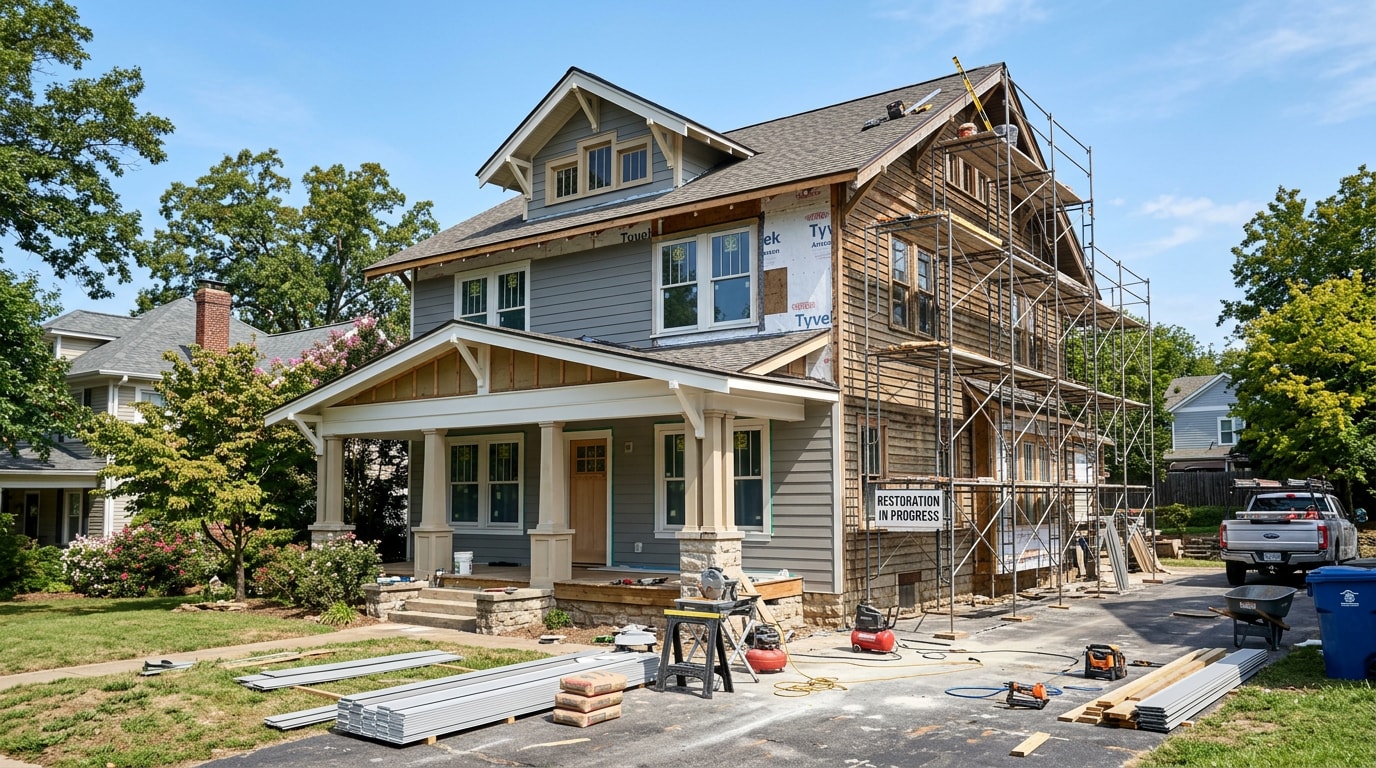
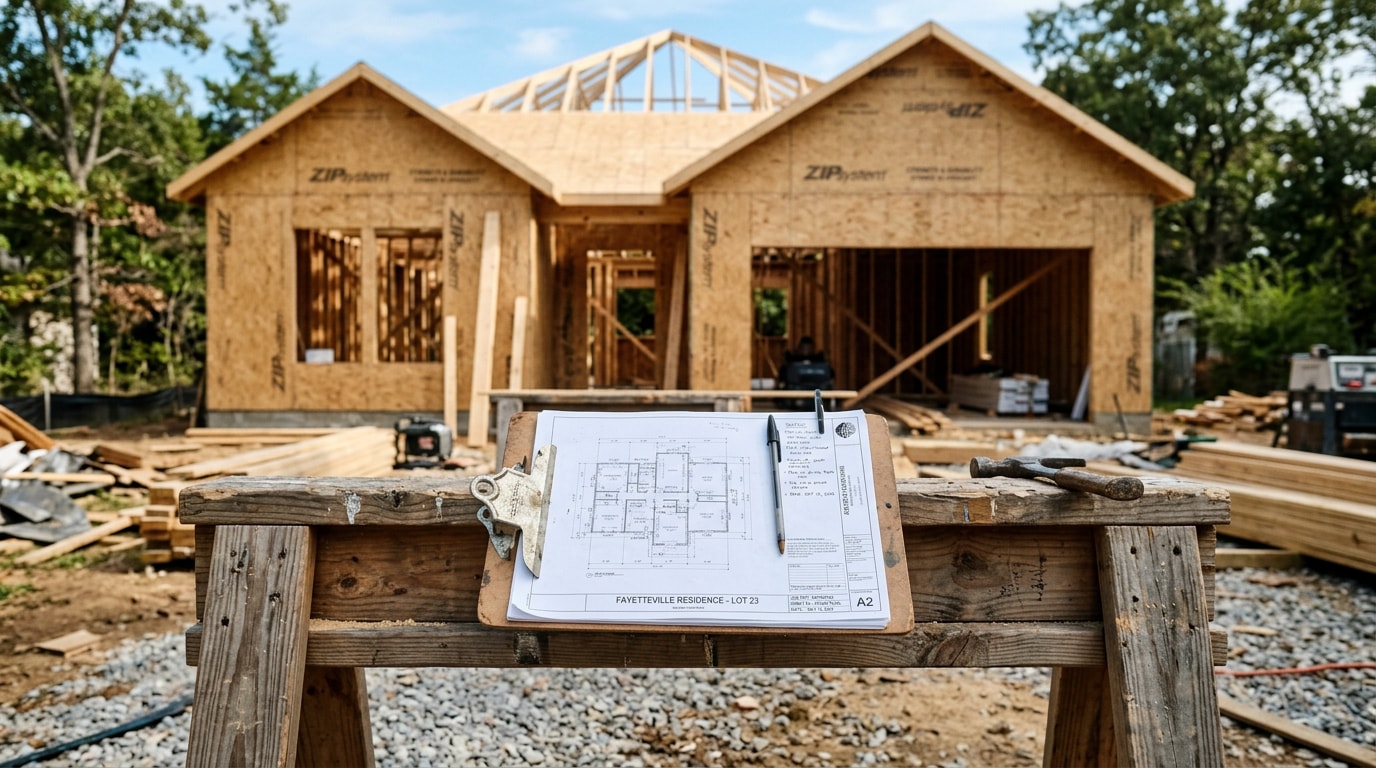
A clerk of the works in Fayetteville, AR gives school districts, municipalities, and private owners an independent, on-site professional whose only job is protecting your project's quality and budget. Unlike a contractor's superintendent, this person reports solely to you, flagging deviations from the plans before they turn into expensive change orders. Here's exactly what the role covers, what it costs, and how to decide if your Northwest Arkansas project needs one.
What Does a Clerk of the Works Do?
A clerk of the works is an independent, on-site professional who inspects construction work as it happens, compares it against the approved drawings and specifications, and reports findings directly to the project owner. They act as a construction quality inspector working solely for you, not the contractor.
For a building committee or property owner, that means having someone physically present on the job site whose sole focus is quality, safety, and conformance with the construction documents, not juggling other responsibilities.
This isn't a new idea. The role is formalized by professional bodies such as the Institute of Clerks of Works and Construction Inspectorate, which has supported quality construction through inspection since it was founded in 1882. The Institute dates back to 1882, with a strong reputation for quality and professionalism. The core function hasn't changed in over a century: independent eyes on-site protect the owner's interests.
Clerk of the Works Responsibilities in the Field
Day to day, a clerk of the works lives in the construction documents. They need to know the drawings, specs, and schedule well enough to catch a discrepancy the moment it appears, not weeks later during a walkthrough.
Municipal procurement documents spell this out in detail. A New Hampshire town's official request for a clerk of the works required the role to attend all project meetings as the owner's representative, submit written reports following each meeting, and monitor quality of construction with respect to conformance with the contract documents , while keeping a daily log of activity on-site. A separate Vermont town's scope added duties like attending pre-construction and post-construction meetings, observing the testing of materials, and reviewing invoices, change orders, payroll, and field reports .
In practice, the core responsibilities look like this:
- Reviewing work in progress against approved plans and specs
- Monitoring material quality, deliveries, and installation methods
- Checking adherence to the contract documents, line by line
- Flagging workmanship issues before the next trade covers them up
- Keeping daily logs, photo documentation, and written reports for the owner
- Attending progress meetings and reviewing invoices or change orders
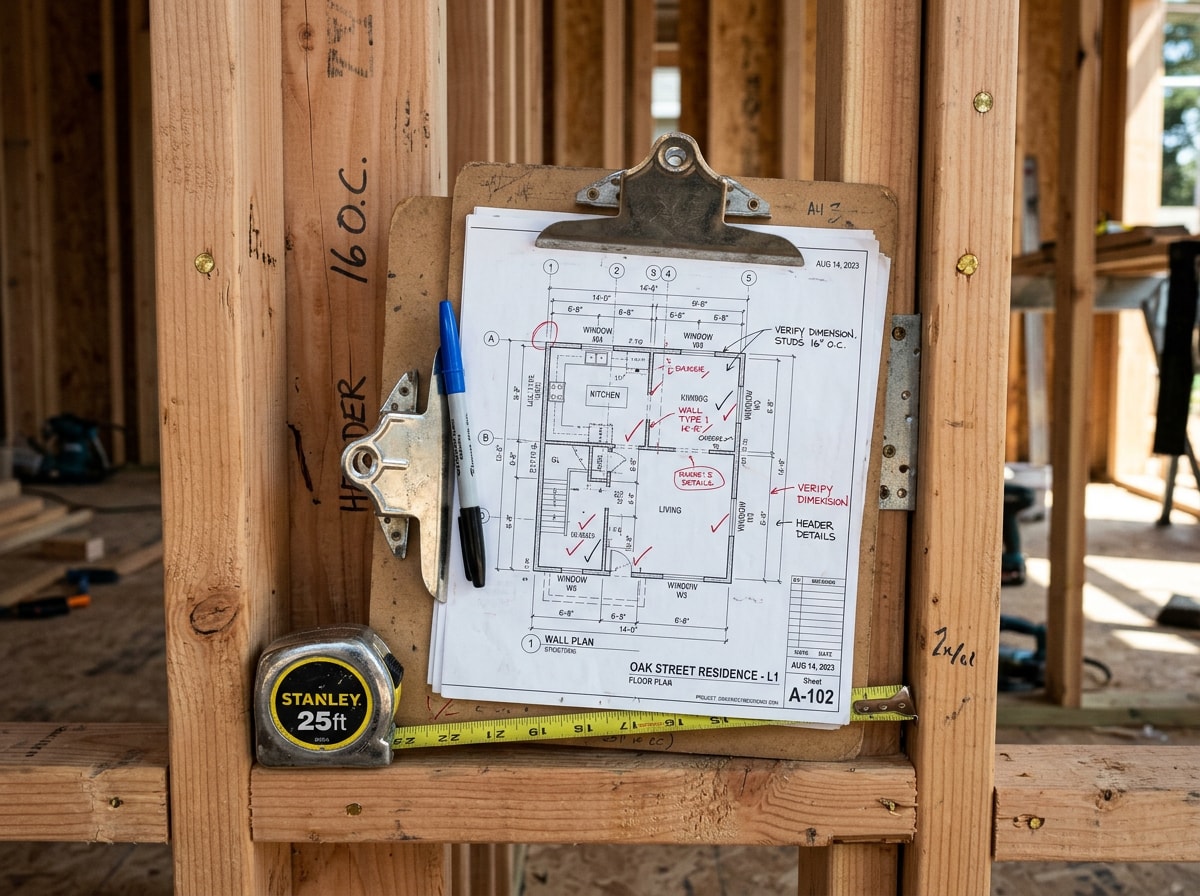
The goal isn't to slow the project down. It's to catch small problems while they're still cheap to fix. Pairing this on-site role with broader construction consultation services gives owners both day-to-day field oversight and higher-level guidance on budget and sequencing.
Clerk of the Works vs. Construction Manager vs. Owner's Representative
Owners frequently mix up these three roles, and hiring the wrong one affects both cost and outcomes.
| Role | Primary Focus | Involved From | Reports To |
|---|---|---|---|
| Clerk of the Works | Site quality & compliance | Construction phase (or earlier) | Owner |
| Construction Manager | Budget, schedule, trade coordination | Pre-construction | Owner |
| Owner's Representative / Employer's Agent | Contract administration, decisions | Project inception | Owner |
The biggest differentiator is pre-construction involvement. A construction manager typically gets involved earlier, helping with budgeting, scheduling, and subcontractor procurement well before construction starts. The Construction Management Association of America frames its members' work around this exact mission: to promote, support, educate, and develop professionals who lead the delivery of programs and projects within the built environment. A clerk of the works usually joins closer to the construction phase itself, focused narrowly on quality and compliance.
Project size matters too. A small renovation may only need a clerk of the works. A large new school building with multiple trades and a compressed schedule often benefits from a full construction manager, sometimes alongside a clerk for added quality assurance. If your district or organization already has strong internal project management, you may only need the on-site quality layer a clerk provides.
How Clerk of the Works Services Work on a Fayetteville-Area Project
Engaging a clerk of the works isn't a one-time inspection. It's a phased relationship that follows the life of the project, from early planning through final walkthrough.
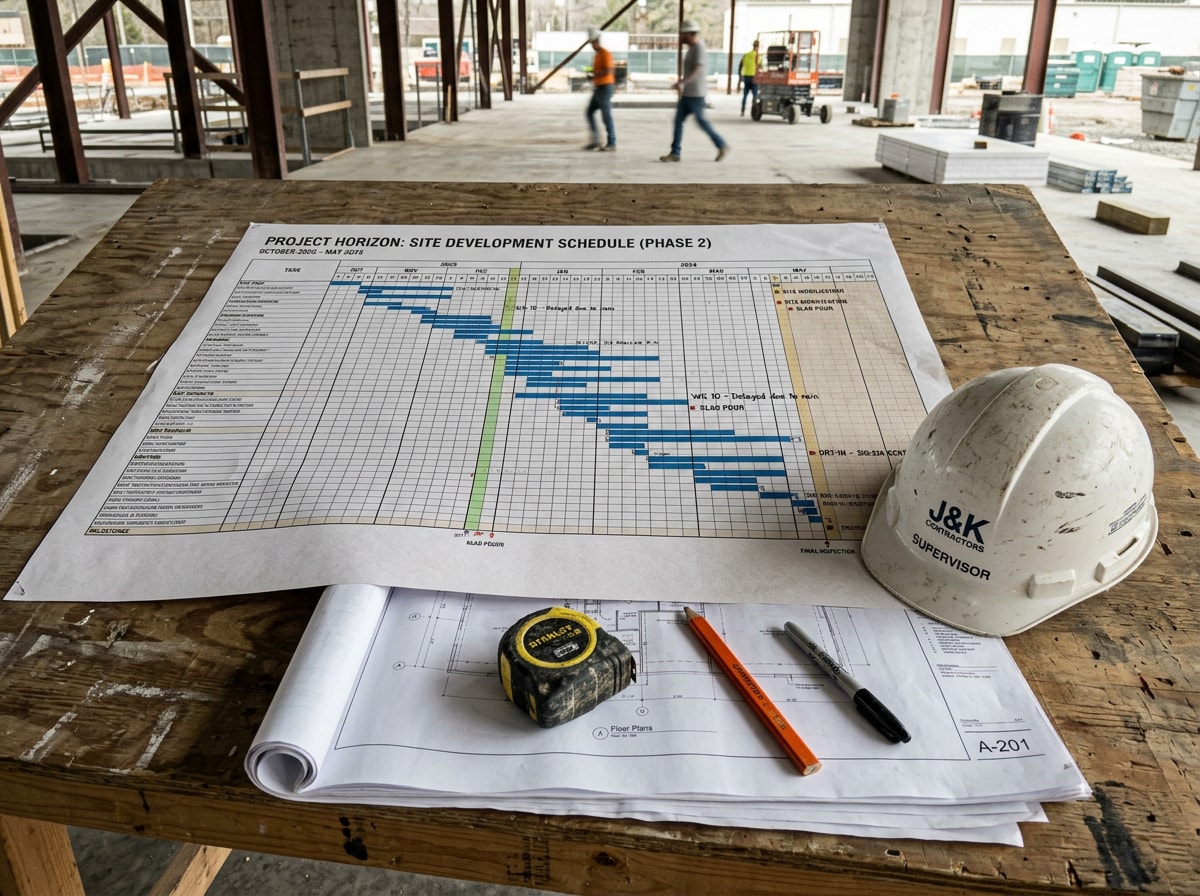
Pre-Referendum or Pre-Bond Phase
Before a shovel hits the ground, most Arkansas public projects need voter-approved funding. Unlike states that rely on general bond referenda, Arkansas public school facility funding typically runs through an annual millage election. This is where Fayetteville-area projects differ from what you'll read on most generic clerk-of-the-works guides: in the March 2026 election cycle alone, the Greenland School District and Farmington Public Schools each requested a 2-mill increase to fund facility improvements and construct new buildings , with the funding earmarked for plumbing, electrical, and new academic space. A clerk of the works can support these early planning conversations, helping the owner scope realistic budgets before asking voters to approve the tax rate.
Pre-Construction Phase
Once funding and design are moving, the clerk of the works gets involved in pre-construction services: reviewing bid documents for clarity, assisting with the bid process, and helping solicit qualified bidders. A thorough constructability review at this stage catches design conflicts before they become field change orders. Owners who skip this step often pay for it later, when fixes cost more and delay the schedule.
Construction Phase
This is where the role earns its keep. On-site management means attending progress meetings, monitoring compliance with the construction documents, and reviewing the contractor's safety program against applicable federal standards. OSHA is explicit on one of the most common field risks: if you have employees who work six or more feet above a lower level, you must provide fall protection. A clerk of the works who understands these baseline requirements can flag a safety gap before an inspector does.
Daily logs and photo documentation build a clear record of what happened and when, giving owners a real-time picture of project health instead of surprises at closeout.
Closeout
Final walkthroughs, punch lists, warranty documentation, and operating manuals get reviewed and handed off to the owner, ideally with no loose ends left for a school district or city department to chase down after occupancy.
What Does a Clerk of the Works Cost in Northwest Arkansas?
Fee structures vary by project size, duration, and whether the service is bundled with broader construction management or consultation work. Compared to hiring a standalone third-party inspection firm, bundling clerk-of-the-works duties with your general contractor's team is often more cost-effective, since you're not paying for a second full administrative layer.
Get specifics in writing before signing, including:
- Whether the fee is a flat rate, daily rate, or percentage of construction cost
- What's included in reporting (written reports, photos, meeting minutes)
- How disputes or change-order reviews are billed
- Whether pre-construction services are billed separately from construction-phase oversight
As for deliverables, expect regular written reports, photo documentation, and a single point of contact who can answer questions without you chasing down the contractor directly.
Why Work With a Local General Contractor Who Thinks Like a Clerk of the Works
I've walked plenty of Northwest Arkansas job sites where a few extra eyes on the framing or rough-in would have saved an owner a change order. That's the mindset we bring at Covey Construction: we treat every project, whether it's a custom home build or a full-scale remodel, with the same documentation discipline a dedicated clerk of the works would apply.
For owners managing a capital project, a school facility, or a larger residential build in Fayetteville, AR, that means someone is checking workmanship against the drawings before drywall goes up, not after. We also work across Rogers, Springdale, and Bentonville, so if your project touches multiple NWA jurisdictions, you're dealing with one accountable team. If you're vetting developers or owner's reps for a Fayetteville project, our guide on real estate developers active in Fayetteville, AR is a useful companion read before you sign anything.
Visit our homepage to see our full range of general contractor services, or get a free estimate to talk through whether your project needs dedicated on-site oversight.
FAQ
What does a clerk of the works do on a construction site?
They conduct ongoing site inspections, identify defects or non-compliant work, keep detailed site records, and report findings to the owner. It's a focused, independent quality-check function, not day-to-day site management.
What's the difference between a clerk of the works and a site manager?
A site manager runs daily site operations, labor, and safety on behalf of the contractor. A clerk of the works independently monitors quality and compliance for the owner without running the site itself.
What's the difference between a clerk of the works and an employer's agent?
An employer's agent handles contract administration: payments, change control, and schedule decisions. A clerk of the works focuses narrowly on quality assurance through site inspection and reporting. Many projects use both roles together.
What's the difference between a clerk of the works and a project manager?
A project manager owns overall delivery, including budget, risk, and stakeholder communication. A clerk of the works stays focused on site-level quality, checking work against drawings and specifications.
How much does a clerk of the works cost?
It depends on project size, duration, and whether the service is bundled with general contracting or consultation work. Get a written fee structure (flat, daily, or percentage-based) before signing.
Do I need a clerk of the works for a residential project?
Most single-family homes don't require a dedicated clerk of the works. The role is most common on public, institutional, or large multi-trade projects where accountability to taxpayers or a board is critical. For residential work, a contractor with strong documentation habits, like daily photos and progress reports, can cover much of the same ground.
When should a clerk of the works get involved in a Fayetteville project?
Ideally during pre-construction, so they can review bid documents and catch design conflicts before the first trade mobilizes. On public projects funded through a millage election, involvement often starts even earlier, during budget planning.