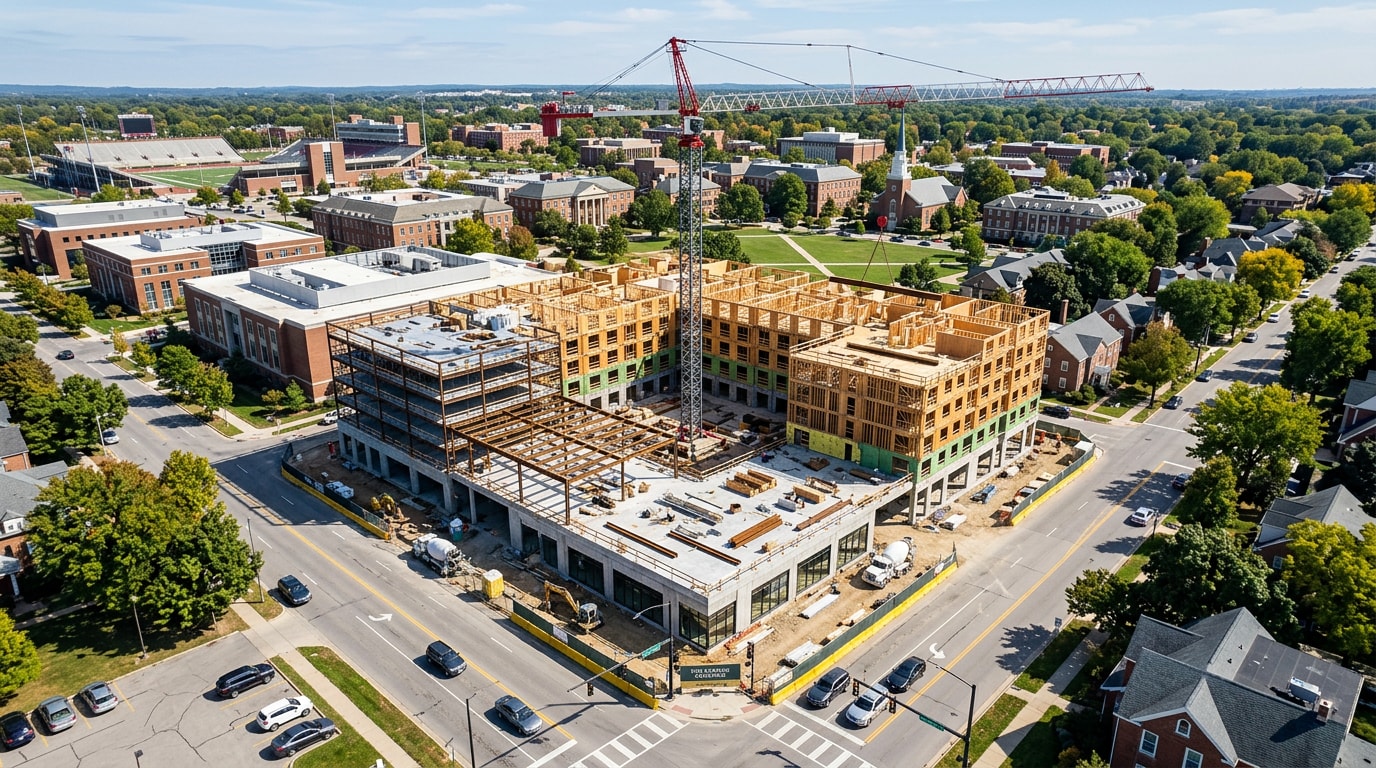
Real estate developers in Fayetteville, AR are the reason raw pasture land and tired strip centers keep turning into the apartments, retail pads, and mixed-use blocks reshaping this city. Benton and Washington counties added the most people in the state between 2024 and 2025, with Benton County growing 3.3% to 332,554 and Washington County growing 1.4% to 271,213 , and someone has to build for all those new residents. This guide names the firms actually doing that work, breaks down what a development fee buys you, and gives you a short, direct checklist for vetting any developer before you sign anything.
Visit Covey Construction to see our services and request a free estimate.
Top Real Estate Developers Serving Fayetteville & Northwest Arkansas
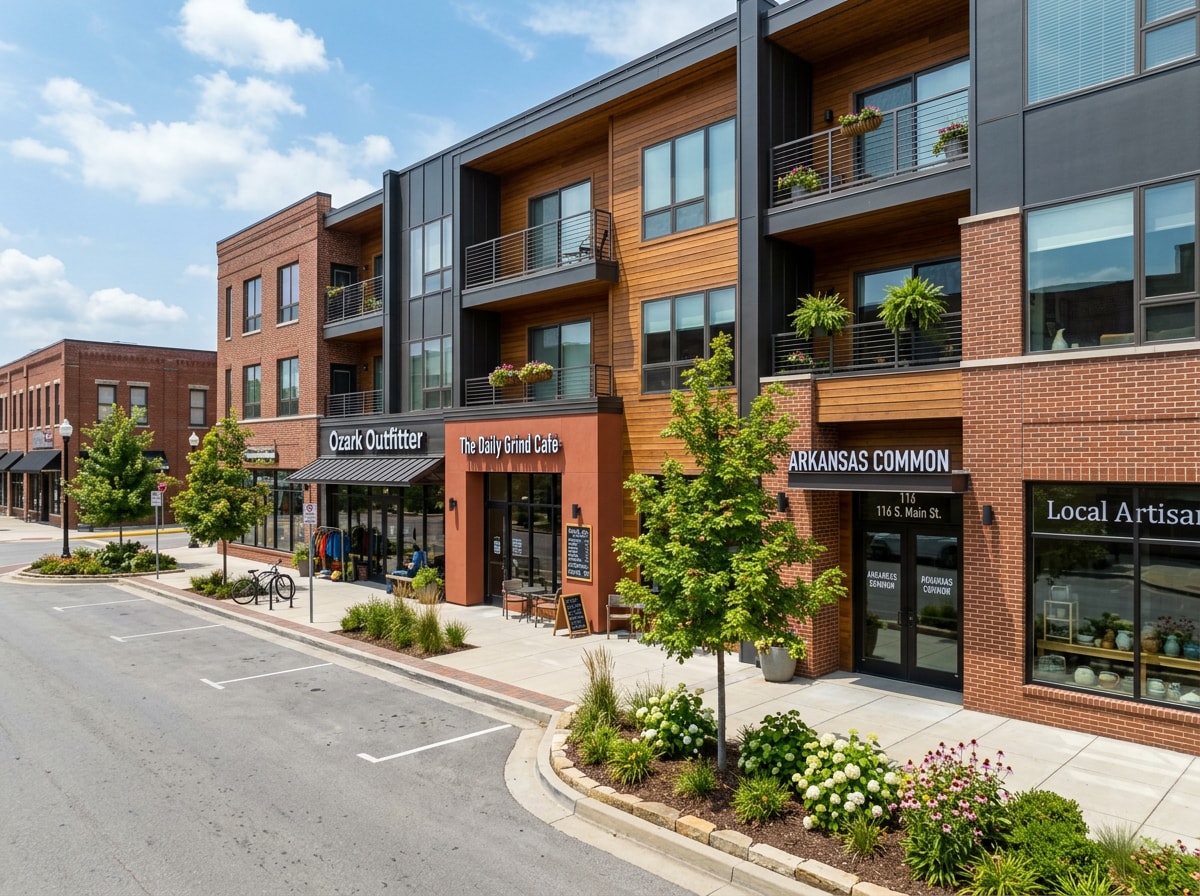
A handful of firms with real, verifiable local footprints show up repeatedly across Fayetteville and the surrounding NWA market. Here's who's active and what they're known for:
| Firm | Focus | Notable Details |
|---|---|---|
| Specialized Real Estate Group | Mixed-use & commercial development |
A real estate development and property management company building projects in the NWA communities of Fayetteville and Bentonville
| Cushman & Wakefield \ | Sage Partners | Commercial brokerage + development services |
Listed under the Fayetteville Chamber's Real Estate Developers & Investors directory
| Rausch Coleman Homes | Production home building |
Listed as a real estate developer with a Fayetteville office location
| High Street Real Estate & Development | Boutique residential & mixed-use |
Based on Township Street in Fayetteville, focused on building places for the local community
| Commercial Realty, LLC | Commercial & mixed-use |
Maintains a Fayetteville office on N. Plainview Ave.
|
It's worth separating developers from agents here. A developer acquires land, finances construction, and brings a finished project to market. A brokerage firm, by contrast, mainly sells property that already exists. If you're searching for Northwest Arkansas developers to build something new, you want the former, not the latter.
For context on who's active in your specific pocket of the metro, see our Fayetteville, AR service area page.
Fayetteville & Northwest Arkansas Development Trends in 2026
A university town with a steady corporate base tends to attract steady building activity, and Fayetteville is no exception. The University of Arkansas set a record for enrollment with 34,175 students according to preliminary fall 2025 estimates, with undergraduate, graduate, and law school enrollments each reaching their highest levels in university history. That growth doesn't stay on campus. With only about 6,300 students living on campus, the vast majority of the student body, along with faculty and staff, are competing for housing in the local market.
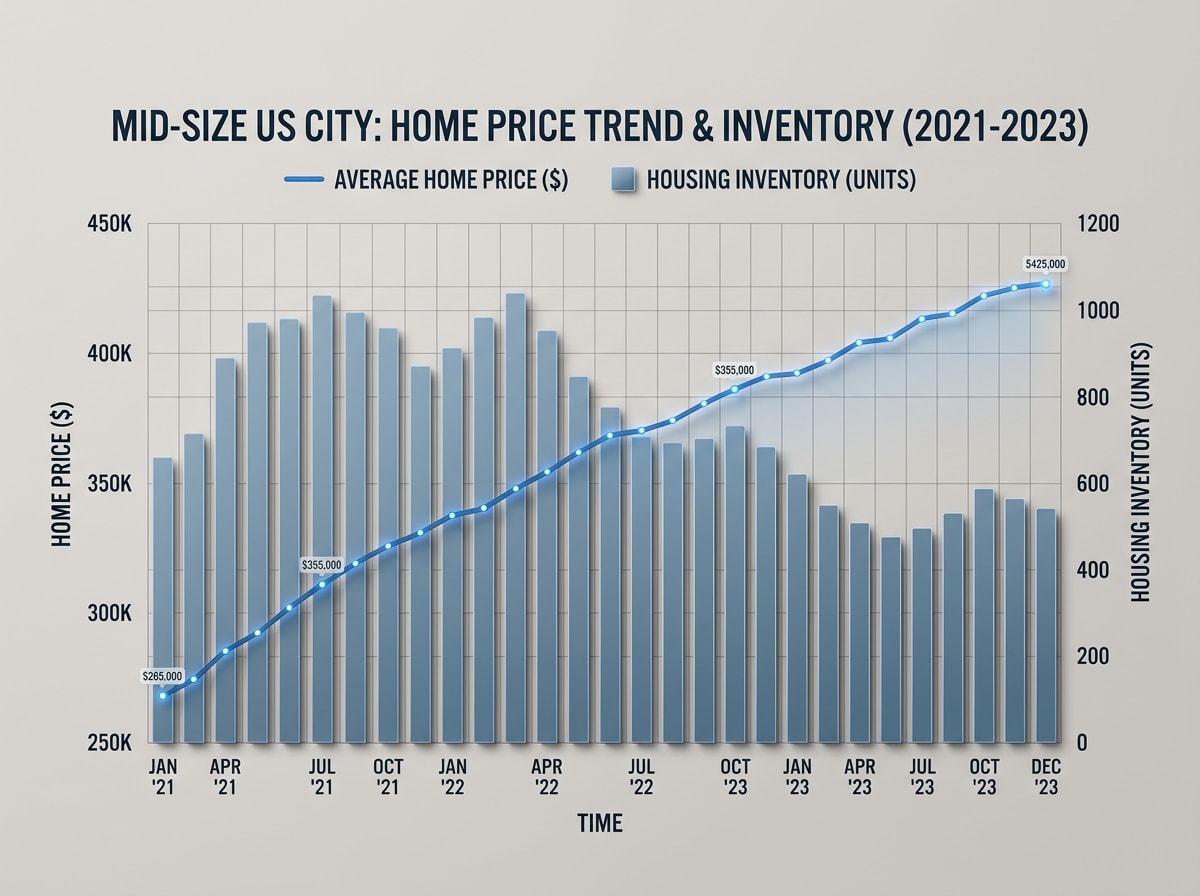
Home values have moved accordingly. The average home value in Fayetteville is $383,478, up 4.2% over the past year , and the market shows a 1.88-month supply of homes with an average of 65.5 days on market , tighter than a lot of comparable mid-size metros. That combination, more students and workers than the existing housing stock can absorb, is exactly why development activity here has held up even as some national forecasts called for a slowdown. For a national baseline to compare against, the <a href="https://www.census.gov/construction/nrc/current/index.html">U.S. Census Bureau's New Residential Construction data</a> tracks permits, starts, and completions monthly.
Why Real Estate Developers Matter to Fayetteville's Growth
The role of a developer is straightforward in theory: turn raw land or underused buildings into housing, retail, and mixed-use space the market actually needs. In practice, that means coordinating financing, permitting, engineering, and construction all at once, work that doesn't happen without someone managing the whole chain.
Job growth and university enrollment keep pushing demand for housing near the core, which is exactly where land is scarcest. That scarcity is a big reason infill development, building on vacant or underused parcels inside existing neighborhoods, has become more common than greenfield building on the city's edges. Mixed-use development, ground-floor retail with housing above, has become a common answer to the same space pressure.
Developer vs. General Contractor: A Distinction Worth Understanding
Homeowners searching for "real estate developers" are sometimes actually looking for a general contractor, and the two roles aren't interchangeable. A developer typically buys the dirt, lines up financing, and sells or leases the finished product. A general contractor is usually hired after the land is already yours, to build, remodel, or add onto a structure you own.
At Covey Construction, we've picked up projects after a developer's crew finished site work on an infill lot near Markham Hill and then built out the custom interior from there. That handoff is common in Fayetteville's tighter in-town lots, and it's worth knowing which side of that line your project sits on before you start calling around. If you already own the land or the house, a general contractor is almost always the right first call, not a developer.
Questions to Ask Before Hiring a Real Estate Developer
Whether you're a landowner fielding an offer, an investor weighing a partnership, or a buyer considering new construction, vetting a developer before signing anything protects both your money and your timeline.
| Vetting Area | Key Question to Ask | Red Flag |
|---|---|---|
| Track record | What happened to your projects during the last rate spike or downturn? | Vague answer, no multi-cycle experience |
| Financial stability | How is this project financed, and has a lender already committed? | Won't discuss financing structure at all |
| Team | Who's the general contractor, architect, and property manager on this deal? | Can't name key partners yet |
Evaluate Their Track Record
A developer's track record is best judged by comparing their stated portfolio against what they actually delivered on budget and on time, and by checking whether they've operated through more than one market cycle. Multi-cycle experience, surviving a downturn, not just riding a boom, separates firms built to last from ones that got lucky.
Ask directly what happened to their projects during the 2008 downturn or the 2022-2023 rate run-up. A firm with real multi-cycle experience will have a specific answer: maybe a delayed project, a renegotiated loan, a phase they paused. A firm without that history may dodge the question, which tells you something too. Request references and ask to see completed project history directly, not just a polished case study.
To confirm a firm's standing before you sign anything, the <a href="https://arec.arkansas.gov/">Arkansas Real Estate Commission</a> maintains licensing and complaint records worth checking.
Check Their Financial Stability
Capital strength isn't a nice-to-have, it's what keeps a project from stalling halfway through or getting corners cut to stay on budget. Financial stability shows up in the financing structure: how much is self-funded versus borrowed, and whether lenders have already committed. A serious developer should be willing to share basic documentation of financing sources, even in general terms, without you having to push hard for it.
Know Who's on the Development Team
Ask who else is actually involved beyond the name on the sign. Is there more than one principal, and is there a succession plan if something happens to the lead partner? What about external partners, the architect, the general contractor, the property manager who'll run things after completion?
A developer who can't name their general contractor or key partners yet is either early in planning or not fully organized. Either way, it's worth knowing before you commit. If your project is more about building or remodeling on land you already own, schedule a construction consultation instead of vetting a land developer.
FAQ
What Does a Real Estate Developer Do?
A real estate developer acquires land or existing property, arranges financing, and coordinates design and construction to bring a finished project to market. That's the core difference in the developer vs. builder comparison: a builder constructs to spec, while a developer manages the entire process from concept to sale or lease.
How Much Do Real Estate Developers Charge?
Developers typically earn a development fee calculated as a percentage of total project cost rather than a flat rate. Industry conversations commonly put that figure somewhere in the 3-5% range, though it shifts with project size, complexity, and risk. Groups like <a href="https://www.naiop.org/">NAIOP, the Commercial Real Estate Development Association</a>, publish broader educational resources on how commercial development economics work if you want to go deeper.
How Do You Select the Right Real Estate Developer for Your Property?
Vetting a developer comes down to three things covered above: a verifiable track record across market cycles, documented financial stability, and a clearly named team of partners. If a firm hesitates on any of these, keep looking.
How Many Real Estate Developers Are There in Fayetteville, AR?
The exact count fluctuates and depends on how you define the term, directories often blend agencies, builders, and developers together under one label. Rather than relying on a raw number, verify any specific firm's licensing and project history directly before moving forward.
What's the Difference Between a Real Estate Developer and a General Contractor?
A developer typically owns or controls the land and manages the overall project, financing, permitting, design, and sale. A general contractor is hired to build on land someone else already owns, whether that's new construction, a remodel, or an addition. If you already own your lot or house, you want a contractor, not a developer.
Do I Need a Developer or a Contractor for a Custom Home in Fayetteville?
If you own the land, you need a custom home builder, not a developer. Developers are the right call when you need someone to acquire land, secure financing, and bring an entire project, like a subdivision or mixed-use building, from concept to market.
About the Author
This guide was written by the team at Covey Construction, a general contractor serving Fayetteville, Rogers, Bentonville, and the surrounding Northwest Arkansas market. Our crews regularly pick up projects on lots that developers have already cleared or partially built out, which gives us a direct view into how that handoff actually works on the ground. For questions about a specific property or project, get a free estimate or browse our completed projects. For more on vetting contractors and licensing requirements in the region, see our guide to residential contractors in Bella Vista, AR.