Finding retail contractors in Springdale, AR who understand local permitting, retail-specific code requirements, and realistic opening-day timelines is the single most important decision a business owner makes before breaking ground. A wrong hire shows up later as blown budgets, failed inspections, or a grand opening that slips by months. Here's what a retail or commercial contractor actually does, what to check before signing a contract, and how the process differs between a ground-up build and a leased-space remodel.
What Does a Retail Contractor Do in Springdale, AR?
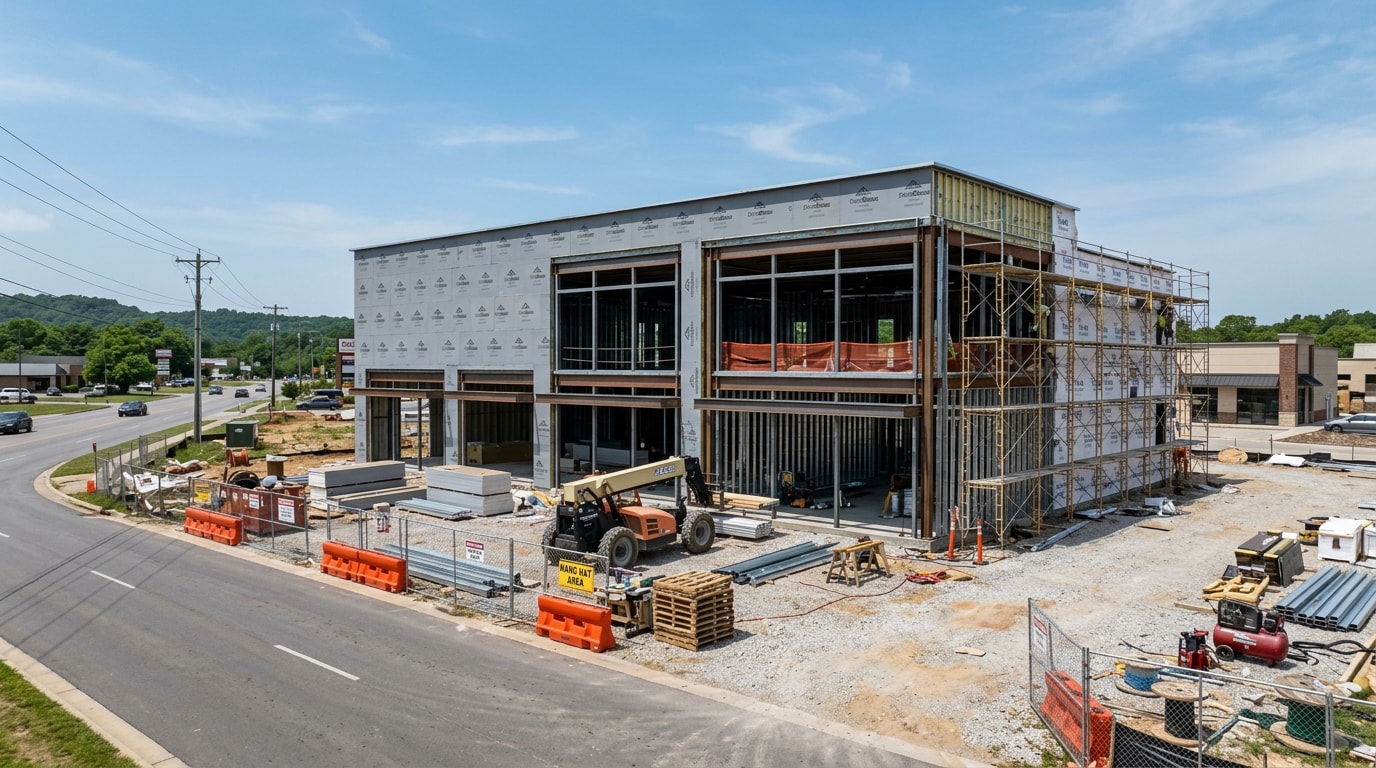
A retail contractor is a type of commercial general contractor who builds and renovates customer-facing spaces, stores, restaurants, and small shopping centers, rather than private homes. The work overlaps with general commercial construction, but retail projects carry extra requirements tied to public access: accessibility routes, fire-rated exits, parking counts, and storefront signage rules that a residential crew rarely deals with.
This distinction matters for budgeting and scheduling. A space that welcomes customers through the door has different fire-code, accessibility, and structural obligations than a private residence, and those obligations get checked at every inspection milestone. Working with a general contractor who already handles commercial-grade permitting means fewer surprises mid-project.
Retail Construction Services You'll Likely Need
Retail projects in Springdale typically fall into one or more of these categories:
- Ground-up retail construction — new standalone stores, small strip centers, or multi-tenant retail buildings built from site work through final walkthrough.
- Commercial renovation — storefront updates, interior reconfiguration for better customer flow, and code upgrades triggered when a building changes use or ownership.
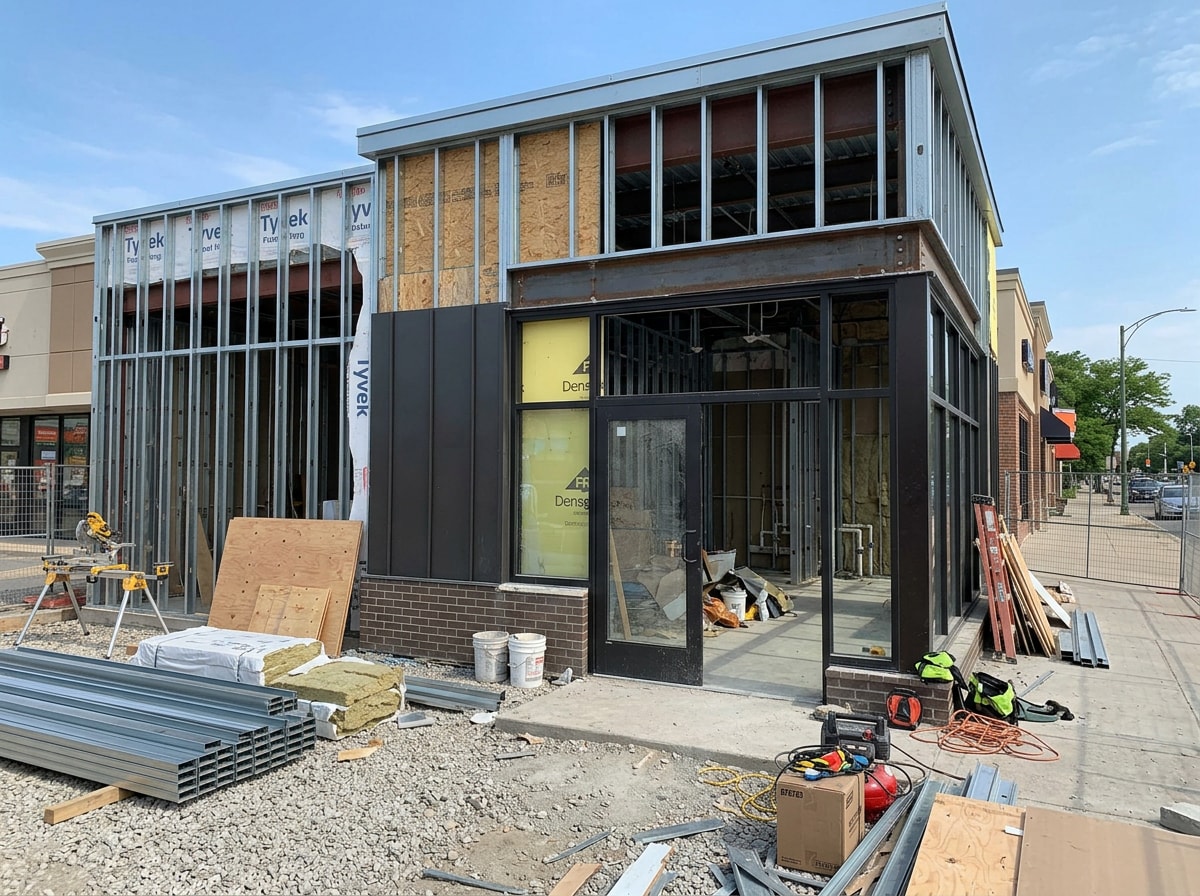
- Tenant improvements (TI) — build-outs inside a leased space to fit a specific retailer's brand, fixtures, and layout.
- Commercial interiors — display areas, checkout counters, fixtures, and finishes that shape the customer-facing experience.
- Construction management — a single point of accountability for scheduling, budget, and subcontractor coordination across electrical, plumbing, and framing trades.
Most retail projects touch at least two of these at once. A new retail building, for example, usually needs tenant improvement work layered in once individual businesses move into their spaces. If you're unsure which category your project falls under, a construction consultation before you sign a lease or buy land can clarify scope and budget early.
Licensing, Bonding, and Code Compliance in Arkansas
A licensed and bonded contractor protects a retail business owner in ways an unlicensed crew can't. Arkansas sets a clear dollar threshold for when state licensing kicks in, and it's lower than many business owners expect.
| Project type | State license required at | Licensing body |
|---|---|---|
| Commercial (non-residential) | $50,000 or more, including labor and materials | Arkansas Contractors Licensing Board |
| Residential | $2,000 or more | Arkansas Contractors Licensing Board, Residential Committee |
An Arkansas contractor license is issued by the Arkansas Contractors Licensing Board in two forms: a Commercial license, required once a job reaches $50,000 or more including labor and materials, and a Residential Builders license, required for new single-family work valued over $2,000. Most retail build-outs and new construction projects clear that commercial threshold quickly once materials, subcontractors, and permits are factored in.
A bonded contractor also carries a surety bond, which gives a retail owner a financial backstop if the contractor fails to complete the work or meet contract terms. Before signing anything, verify a contractor's license directly through the Arkansas Contractors Licensing Board rather than taking their word for it.
Why Local Experience Matters for Retail Projects
Springdale is the fourth-largest city in Arkansas, and the population has kept climbing: population estimates for Springdale reached 90,685 by July 2025, up from a 2020 base of 87,320 . That growth means more retail development, more permit applications moving through the same local review staff, and more competition for contractor availability during peak building season.
A contractor who regularly works in Springdale already understands local zoning patterns, typical soil conditions near the I-49 corridor, and how the city's permitting office actually processes commercial applications in practice, not just on paper. That familiarity can shave real time off a project timeline compared to a crew learning the local process from scratch. We've coordinated retail build-out inspections around live store operations in this market, which is a different rhythm than a vacant ground-up site. Check the Springdale, AR service area for current coverage details, and see how commercial scheduling plays out on a related build type in our warehouse builders guide for Springdale.
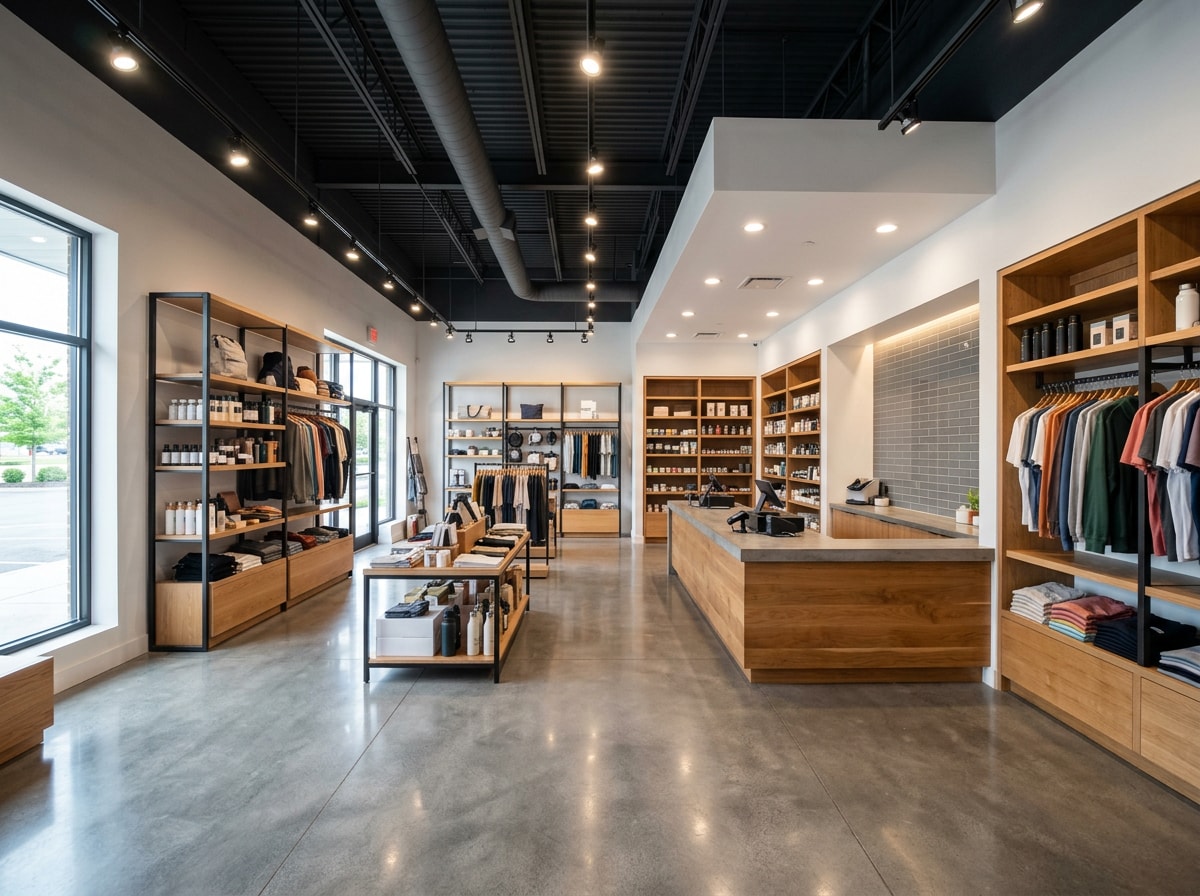
Tenant Improvements for Retail Spaces
Many retailers don't build from the ground up. They move into existing leased space and customize it to fit their brand. This is where tenant improvements come in, and the process looks different from new construction in a few key ways.
Tenant improvements are modifications made to a leased retail space to fit a specific business's needs. They're typically negotiated between landlord and tenant before a lease is signed, which affects what changes are allowed and who pays for them. A clear landlord-tenant build-out agreement upfront prevents disputes later over responsibility.
Common tenant improvement work includes:
- Storefront customization, including signage and entry design
- Display area build-out to match merchandising plans
- Checkout counter installation, including point-of-sale wiring
- Flooring, lighting, and fitting room construction
The TI process generally moves through space planning, permitting, construction, and final inspection before a business can open. A tenant improvement allowance (TIA), a dollar amount the landlord contributes toward build-out costs, often factors into early lease negotiations and should be confirmed before a budget is finalized.
Accessibility and Code Requirements for Retail Builds
Retail spaces open to the public must meet accessibility standards that differ significantly from residential projects, covering entrances, aisle widths, sales counters, restrooms, and parking. A retail store must analyze which of its removable racks constitute barriers and in what numbers such racks can be readjusted to permit access to persons who use wheelchairs, without much difficulty or expense. The U.S. Access Board maintains the current ADA accessibility standards that apply to retail construction and renovation.
Commercial retail buildings are also reviewed against the International Building Code, the model code most Arkansas jurisdictions adopt and amend locally for non-residential construction. The International Building Code (IBC) is a model code published by the International Code Council that sets minimum requirements for the design and construction of most non-residential and larger buildings. The International Code Council publishes the specific chapters that apply to retail occupancies, which is useful reference material when reviewing a contractor's proposed scope.
How to Choose a Retail Contractor in Springdale, AR
Use this checklist when vetting bids:
- Verify the contractor's state license and bond directly with the Arkansas Contractors Licensing Board, not just a number on their website.
- Ask for references from retail or commercial projects specifically, not just residential remodels.
- Confirm experience with both ground-up construction and tenant improvement work, since the permitting path differs.
- Ask how they handle ADA compliance review during design, not after a failed inspection.
- Request a realistic permitting and construction timeline tied to your opening-day target, with material lead times included.
- Pay attention to how clearly they communicate during the bidding process. Early communication tends to predict how the full project goes.
If you're ready to put a number on your project, request a free estimate and we'll walk through scope, timeline, and budget before you commit to anything.
FAQ
What is a commercial contractor?
A commercial contractor is a licensed professional who manages construction projects for businesses, such as retail stores, offices, and warehouses, rather than private homes. They handle permitting, code compliance, and subcontractor coordination throughout the project.
How much does it cost to build or remodel a retail space in Springdale, AR?
Costs vary widely based on scope. A cosmetic storefront update costs far less than a ground-up build or a full tenant improvement with new electrical, plumbing, and HVAC. Get a project-specific number through a construction consultation rather than relying on a generic per-square-foot estimate.
How long does retail construction take in Springdale, AR?
Timelines depend on project size, site conditions, and how quickly permits clear local review. A tenant improvement inside an existing shell generally moves faster than ground-up construction since the building envelope already exists, but both still require inspections that can add weeks if not planned for upfront.
What's the difference between tenant improvements and new construction?
Tenant improvements modify a leased space the tenant doesn't own, so the landlord-tenant agreement dictates what changes are allowed and who pays. New construction starts from raw land or an empty building shell and gives the owner full control over layout from the start.
What areas do retail contractors serve in Northwest Arkansas?
Most retail and commercial contractors working in this market cover the broader Northwest Arkansas region, including Springdale, Fayetteville, Rogers, and Bentonville, with some extending into surrounding smaller communities. Confirm coverage for your specific project location before requesting a bid.
Do I need an architect before hiring a retail contractor?
Not always. Smaller tenant improvements with no structural changes often move straight from space planning to permitting with the contractor managing design-build. Larger ground-up builds or projects involving structural changes typically require a licensed architect or engineer to stamp drawings before permitting.
Ready to move your retail project forward? Visit Covey Constructions to see our full range of general contractor services, or go straight to the projects page to see completed work in Northwest Arkansas before you request your estimate.