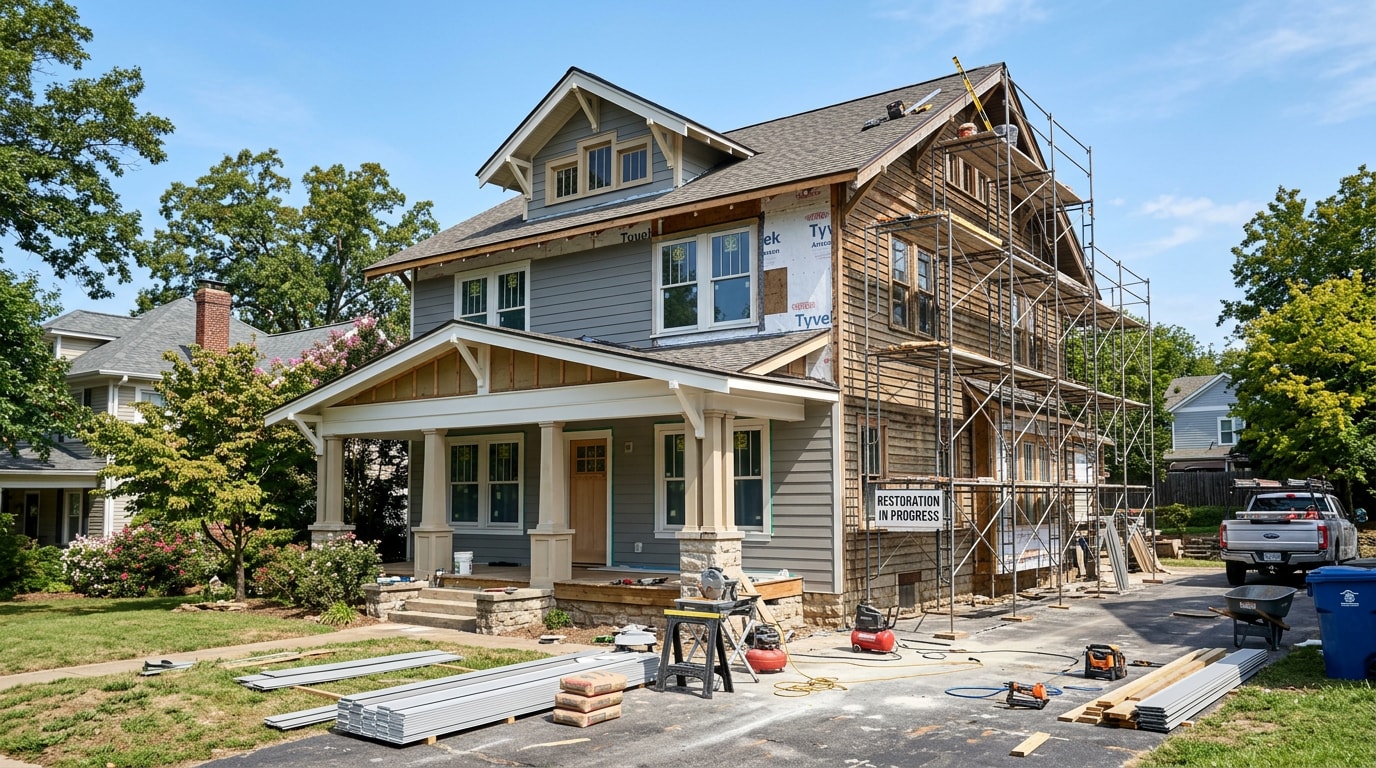

A roofing project manager Cave Springs, AR homeowners actually need is the person who keeps your crew, materials, permits, and timeline moving in the same direction. On a standalone reroof, that role is simple. On a remodel, addition, or custom build where the roof is just one piece of a bigger scope, it gets a lot harder to track without someone owning it. Here's what the role covers, what to verify before you hire, and how it fits into a larger construction project.
Visit Covey Construction to see our services and request a free estimate.
What a Roofing Project Manager Actually Does
A roofing project manager is the person accountable for a roofing scope from the first inspection to the final walkthrough. On most residential jobs, that means inspecting the roof, documenting damage, and explaining repair-versus-replacement options to the homeowner in plain terms.
From there, the role shifts into execution: writing up the scope and materials, scheduling the crew, ordering and staging materials, and checking the work against the contract and local code as it goes. On a project tied into a larger remodel or addition, the roofing project manager also has to sequence that work around framing, siding, and inspections happening elsewhere on the property.
The core duty doesn't change much across sources that define the role: oversee the budget, the schedule, and the quality, and act as the single point of contact between the crew and the client.
Why Cave Springs Homeowners Need Dedicated Roofing Project Management
Cave Springs sits in a part of Northwest Arkansas that sees regular hail and wind events, which means a lot of roofing work here starts as an insurance claim rather than a planned upgrade. That adds documentation and adjuster coordination on top of the normal construction work.
Roofing scopes in this market also rarely stand alone. A storm-damaged roof often gets discovered during a larger remodel, addition, or new build, and the roofing portion needs to be managed alongside framing, siding, and trim crews rather than treated as a separate job. A general contractor who manages the whole build, not just the roof, is usually in a better position to catch scheduling conflicts before they cost you time.
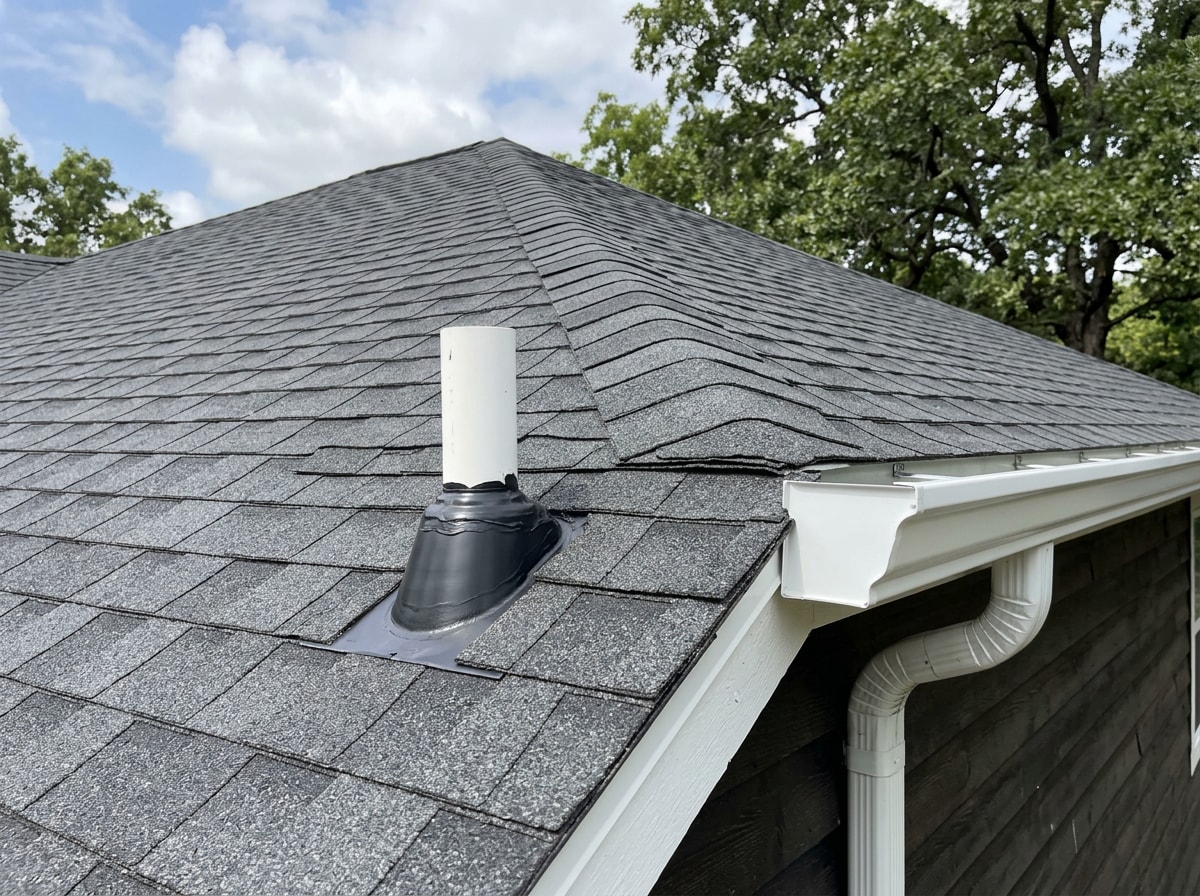
Roofing Project Manager vs. Roofing Estimator vs. General Contractor
These three roles get confused constantly because they can overlap on a small company's org chart. They are not the same job.
| Role | Primary Focus | What They Own |
|---|---|---|
| Roofing Estimator | Pricing and proposals | Measurements, material takeoffs, cost estimates, and bids |
| Roofing Project Manager | Execution on a roofing scope | Scheduling, crew coordination, material delivery, quality checks, client updates |
| General Contractor | The entire build | Every trade on-site, permits, inspections, and the overall project timeline and budget |
On a roof-only job, the estimator and project manager may be the same person. On a remodel, addition, or custom home, the general contractor typically holds the overall schedule and assigns a project manager or supervises the roofing subcontractor directly, which is one reason it matters who you're actually hiring.
What a Managed Roofing Scope Should Include
A roofing project manager worth hiring should be handling all of the following, whether the roof is a standalone job or part of a bigger build:
- A documented roof inspection with photos before any work is scoped
- A written proposal covering materials, labor, timeline, and payment schedule
- Material ordering and delivery scheduling that doesn't sit on your driveway for weeks
- Crew scheduling that accounts for weather windows
- Code compliance checks, including fall protection for anyone working at height. OSHA's residential fall protection guidance spells out the standards crews are required to follow
- A final walkthrough with you before the job is marked complete
If a company can't clearly tell you who's filling that role on your project, that's worth asking about directly before you sign anything.
Credentials to Verify Before You Hire
Arkansas doesn't require a specific "project manager" license, but the company running your project should hold the right contractor credentials for the work. A few things worth checking:
- State licensing. Arkansas requires a residential contractor license for most home projects over $2,000, and licensing is handled through the Arkansas Contractors Licensing Board. You can call or check their site to confirm a license is active before signing a contract.
- Insurance. Ask for current liability and workers' compensation certificates, not just a verbal assurance.
- Industry affiliation. The National Roofing Contractors Association recommends checking whether a contractor is a member of a recognized roofing trade association as one signal of professionalism, along with a permanent business address and verifiable references.
- A named point of contact. You should be able to name the specific person managing your project, not just the company.
Red Flags That a Roofing Project Isn't Being Managed
Watch for these signs that no one is actually running your project day to day:
- No one can tell you who your project manager or point of contact is
- Materials show up before the schedule is confirmed, or don't show up at all
- You're getting updates only when you call first
- The crew on-site changes without explanation between visits
- There's no written scope, only a verbal estimate
- Change orders happen without a signature or written confirmation
Any one of these on its own isn't necessarily disqualifying, but two or more together usually means the job is being run reactively instead of managed.
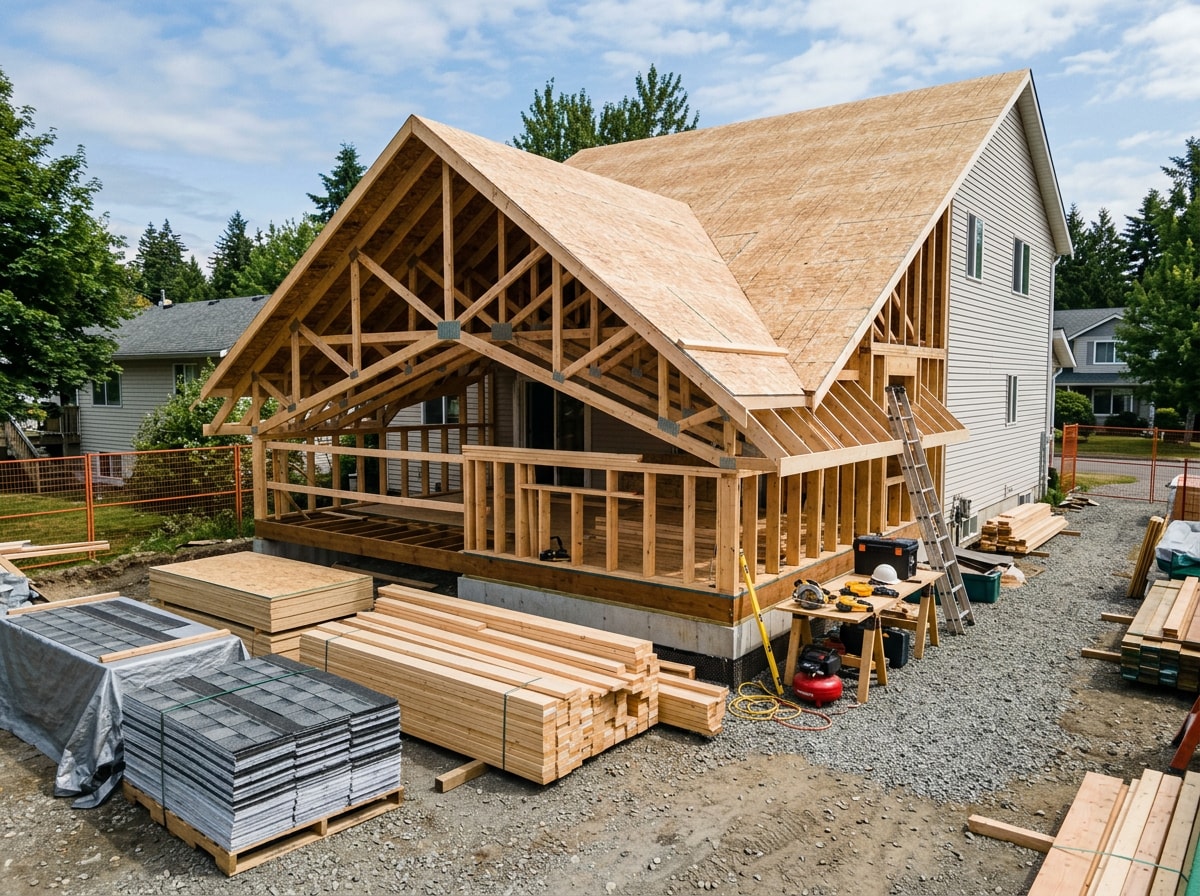
How Covey Construction Manages Roofing as Part of a Larger Build
At Covey Construction, roofing scopes rarely show up on our schedule as standalone jobs. They're almost always tied into custom home construction, full home remodeling, or home additions across Rogers, Bentonville, Springdale, and Cave Springs, AR. That means the person managing your roof is the same person tracking your framing inspection, your siding delivery, and your closing walkthrough, so nothing falls through a gap between trades.
We're licensed and insured, Wind Mitigation Certified for documenting roof features that can affect insurance premiums, and we vet every subcontractor on our crews before they set foot on a client's property. If you want to understand how that project management approach works on a larger scope, our construction management guide for Cave Springs, AR breaks down the full process. You can also browse completed work on our projects page before reaching out.
If your roof scope is tangled up in a bigger renovation and you're not sure who should be managing it, a construction consultation is a low-pressure way to get a second set of eyes on the plan. Get a free estimate and we'll walk the property with you before any contract is signed.
FAQ
What does a roofing project manager do on a home project?
They inspect the roof, document the scope, schedule the crew and materials, check the work against code and contract as it progresses, and handle the final walkthrough with the homeowner.
How is a roofing project manager different from a roofing estimator?
An estimator prepares the pricing and proposal. A project manager runs the actual work after the contract is signed, including scheduling, crew coordination, and quality checks. On small roofing-only jobs, one person often does both.
Do I need a dedicated project manager for a simple roof replacement?
For a straightforward reroof, the company's standard process may be enough. For anything tied into a remodel, addition, or storm-damage insurance claim, a named project manager reduces the chance of scheduling conflicts and miscommunication between trades.
What licenses should a roofing contractor hold in Arkansas?
For most residential projects over $2,000, Arkansas requires a contractor to hold a license through the Arkansas Contractors Licensing Board. You can verify an active license directly with the board before signing a contract.
What should I ask a roofing project manager before signing a contract?
Ask who specifically will be on-site managing the work, how often you'll get updates, how change orders are documented, and what happens if weather pushes the schedule. Clear answers to all four are a good sign the job will be run properly.
Does owning a roofing company make money?
It can be profitable, but ownership carries overhead, crew management, and liability that a project manager role doesn't. It's a different path entirely from managing a client's roofing scope, and not something most homeowners need to evaluate when hiring for their own project.